
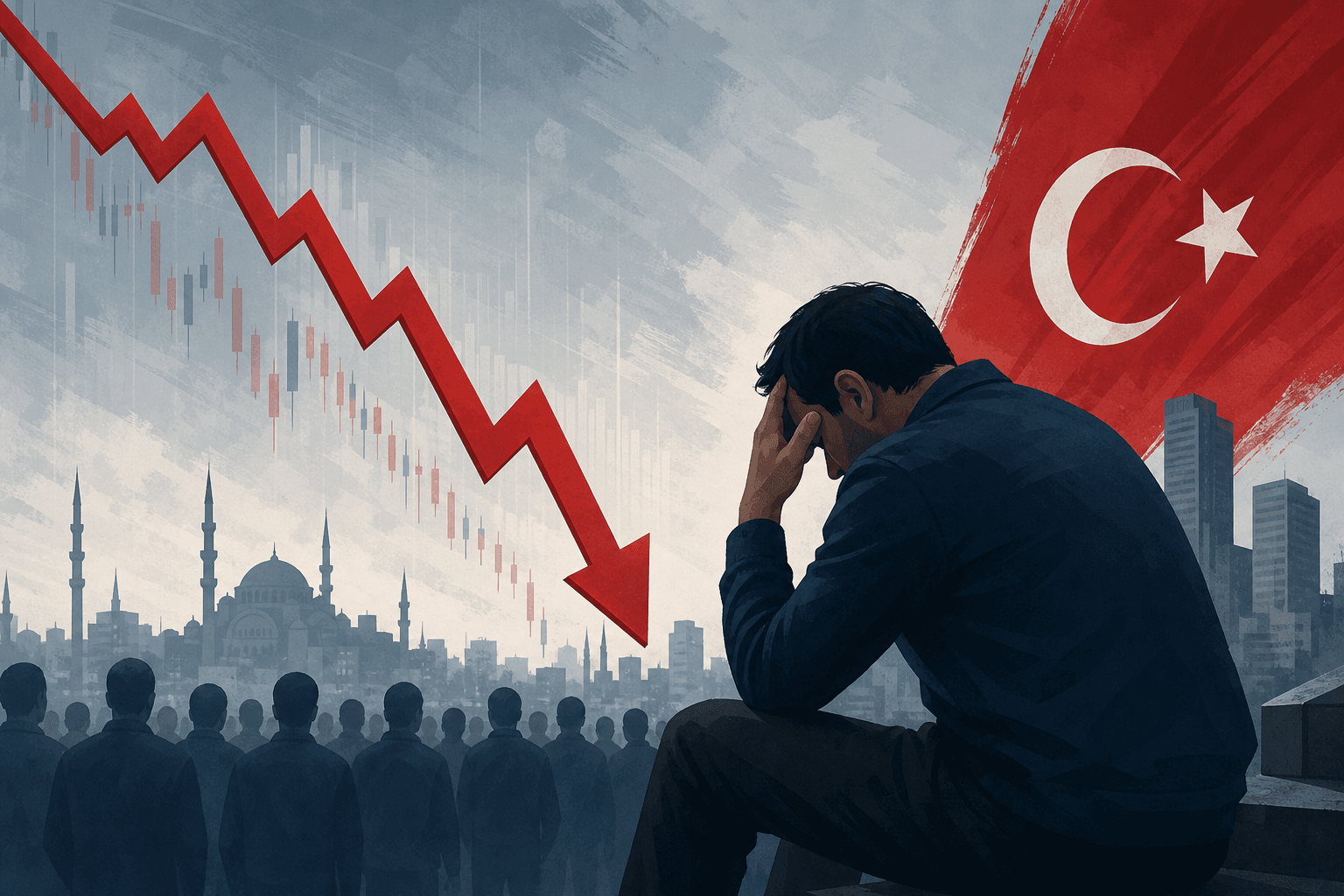
Seldom has an emerging market witnessed such a dramatic exodus of retail capital. Reports suggest that roughly seven million individual investors lost money on the Turkish stock exchange. The Borsa Istanbul 100 Index, once a beacon of opportunity, became the world's worst-performing benchmark in recent periods. This unprecedented erosion of household wealth has prompted regulators and analysts to reassess investor protection frameworks.
The downturn was precipitated by a confluence of macroeconomic headwinds. High interest rates, persistent inflation, and weakening domestic demand collectively eroded corporate profitability across sectors. Over half of the non-bank companies listed on Borsa Istanbul reported losses in the first quarter of 2025. Foreign investors compounded the pressure, withdrawing nearly three billion dollars during the summer of 2024 alone.
Political instability further exacerbated market fragility. The detention of a prominent opposition figure in March 2025 triggered a severe sell-off. The Turkish lira plunged to record lows, and trading was temporarily halted as panic gripped the market. Such episodes underscore how geopolitical risk can amplify financial vulnerability for retail participants.
What distinguishes Turkey's predicament is the sheer scale of retail participation relative to market sophistication. At its peak, the number of equity investors surged to approximately 8.5 million, many seeking a hedge against rampant inflation. However, inadequate financial literacy and insufficient portfolio diversification left millions exposed to catastrophic downside risk. By early 2025, the investor count had contracted to roughly 6.9 million.
The Turkish experience serves as a cautionary tale for emerging-market stakeholders worldwide. Prudent risk management, regulatory vigilance, and investor education remain indispensable pillars of sustainable capital markets. Had retail investors adopted more disciplined asset allocation strategies, their exposure to such volatility would have been mitigated. Ultimately, safeguarding ordinary citizens' savings demands systemic reform, not merely individual prudence.