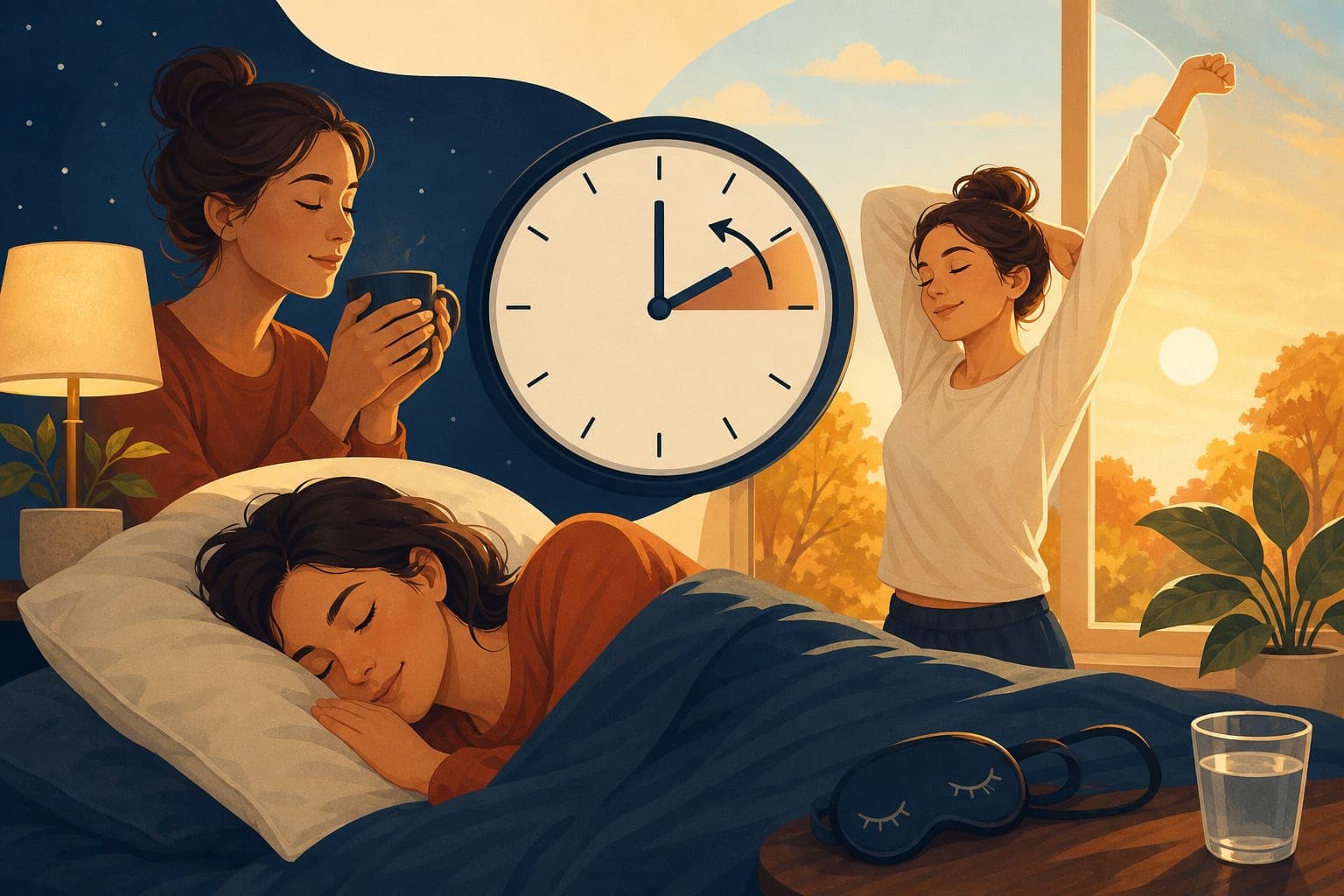
On Sunday, November 1, most Americans will set their clocks back one hour. Daylight Saving Time ends at 2 a.m., and clocks return to standard time. This means earlier sunrises but also earlier sunsets through the winter months. While gaining an extra hour of sleep sounds pleasant, the shift can disrupt daily routines.
The time change affects the body's circadian rhythm, which is our internal clock. This rhythm controls when we feel sleepy and when we feel alert. Even a one-hour shift can cause fatigue, low energy, and difficulty concentrating. Most people need about three to five days to fully adjust.
Sleep experts recommend gradually shifting your bedtime a few days before the change. Moving your sleep and wake times by fifteen minutes each night can help. Morning sunlight is also crucial because it tells the body to stop producing melatonin. Spending just fifteen to twenty minutes outside after waking up can reset your internal clock.
Experts also suggest maintaining a consistent routine for meals and exercise. Avoiding caffeine and bright screens in the evening can improve sleep quality. If governments eliminated the time change, people would no longer face this disruption. Until then, these practical strategies can help everyone cope with the transition more smoothly.