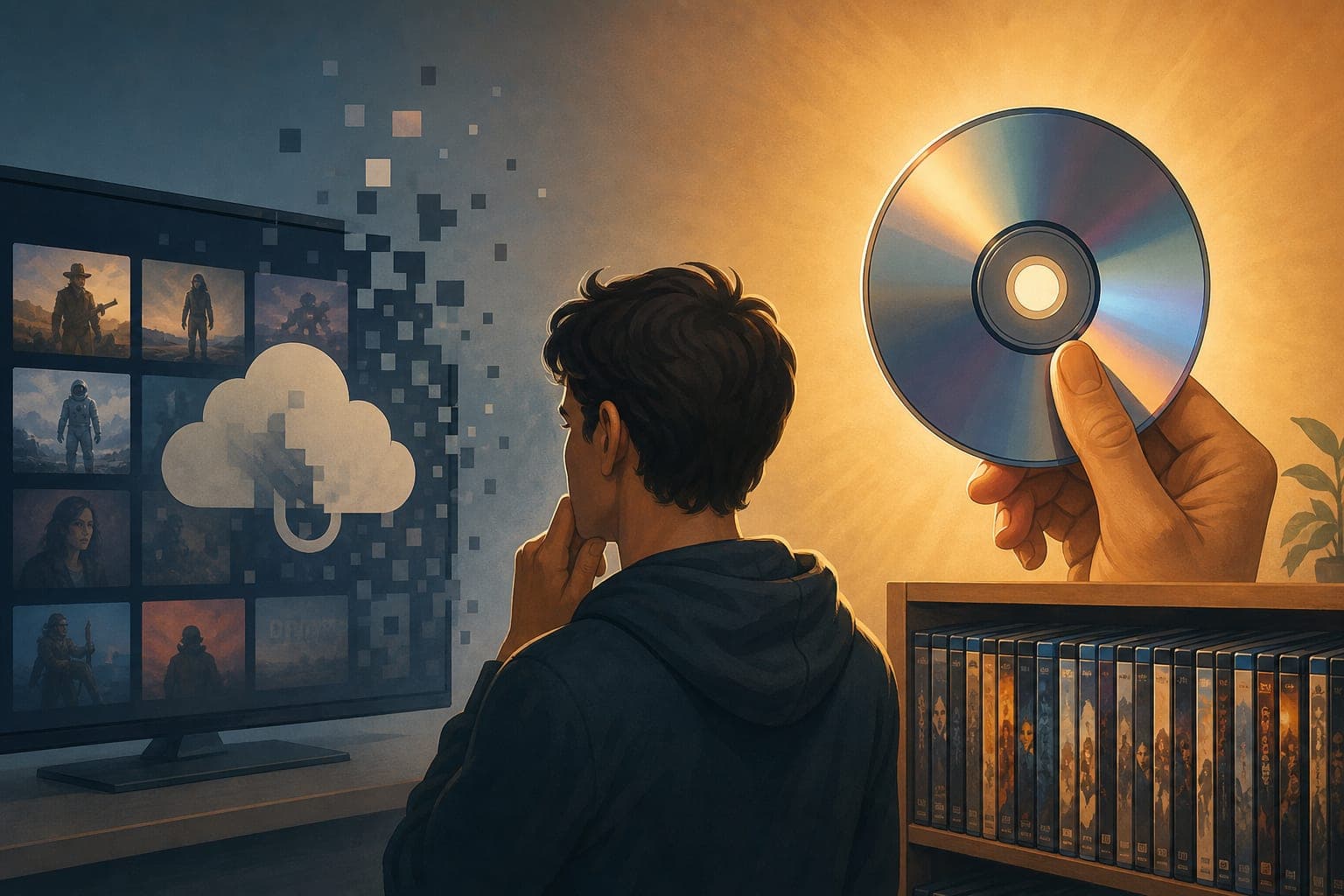
Rarely has a technology debate felt so personal. Streaming services promised unlimited access to films, yet titles vanish without warning. A movie available today on Netflix may disappear tomorrow. This precarious reality has reignited interest in physical media ownership. For many viewers, the convenience of streaming no longer outweighs its fundamental uncertainty.
The issue gained prominence when Sony removed over 550 purchased StudioCanal films from PlayStation accounts. Users who had clicked "Buy" discovered they had merely acquired a revocable license. No refunds were offered, and beloved titles like Terminator 2 simply vanished. The incident exposed a troubling truth about digital transactions that most consumers overlook.
Streaming catalogs operate on licensing agreements that expire and shift between platforms constantly. When a deal ends, the content disappears overnight, regardless of subscriber loyalty. Even original productions created exclusively for streaming have been quietly deleted to reduce costs. Consequently, films made for the digital era can paradoxically become harder to find than decades-old theatrical releases.
Against this backdrop, physical media is experiencing a quiet resurgence. DVDs and Blu-rays offer something streaming cannot guarantee: permanence. A disc on your shelf remains yours indefinitely, immune to corporate restructuring or expired contracts. Collectors increasingly view physical copies not as nostalgic relics but as pragmatic investments in cultural preservation.
The broader implication extends beyond entertainment. When "Buy Now" effectively means "License Until Further Notice," consumer trust erodes. Advocates argue that stronger legal protections for digital purchasers are overdue. Until such reforms materialize, the tangible disc may represent the only reliable path to genuine media ownership.