
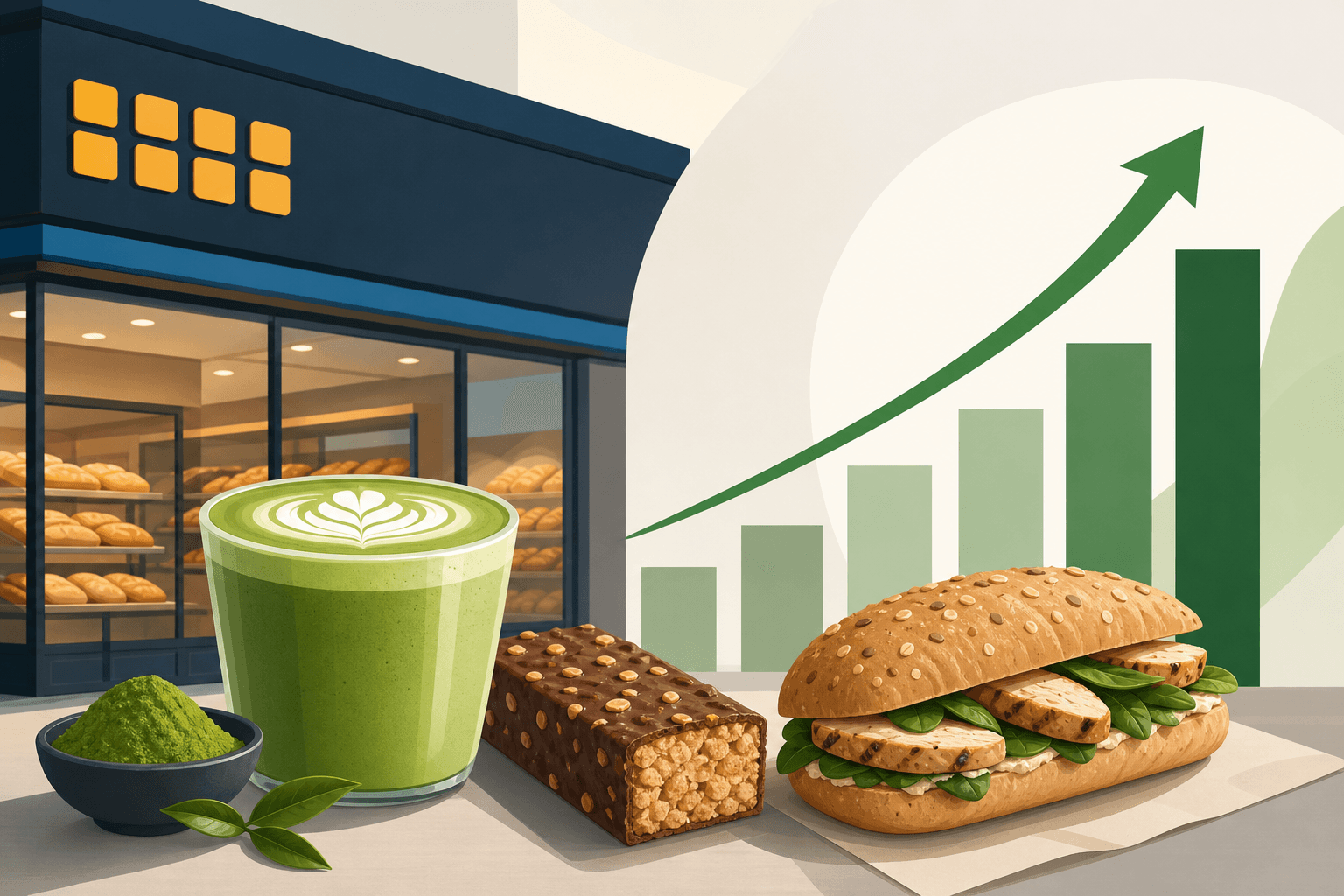
Greggs, the UK's largest food-to-go retailer, has reported impressive results. Operating profit rose almost 23% to £86.5 million in the first half. Total sales climbed 7.2% to reach £1.1 billion. The company achieved this growth despite a challenging consumer market. Its strategy of following food trends has clearly delivered strong returns.
A key driver of growth was product innovation. Greggs launched iced matcha lattes in early 2026, and demand was extremely strong. The company also introduced high-protein options under its campaign. Protein shakes, egg pots, and enhanced salad choices attracted health-conscious customers. These new categories helped Greggs appeal to a broader audience.
The company also expanded its store network and digital presence. Greggs now operates over 2,700 shops across Britain. Its market share of customer visits rose to 8.7%. Meanwhile, the overall food-to-go market actually declined during this period. Greggs has outperformed competitors by combining value leadership with innovation.
Analysts say Greggs is a good example of strategic agility. If the company had ignored emerging trends, it would have lost ground. Instead, management invested in supply chain capacity and new product development. The results suggest that traditional businesses can thrive by adapting to shifts. Greggs plans to continue this approach throughout the rest of 2026.