
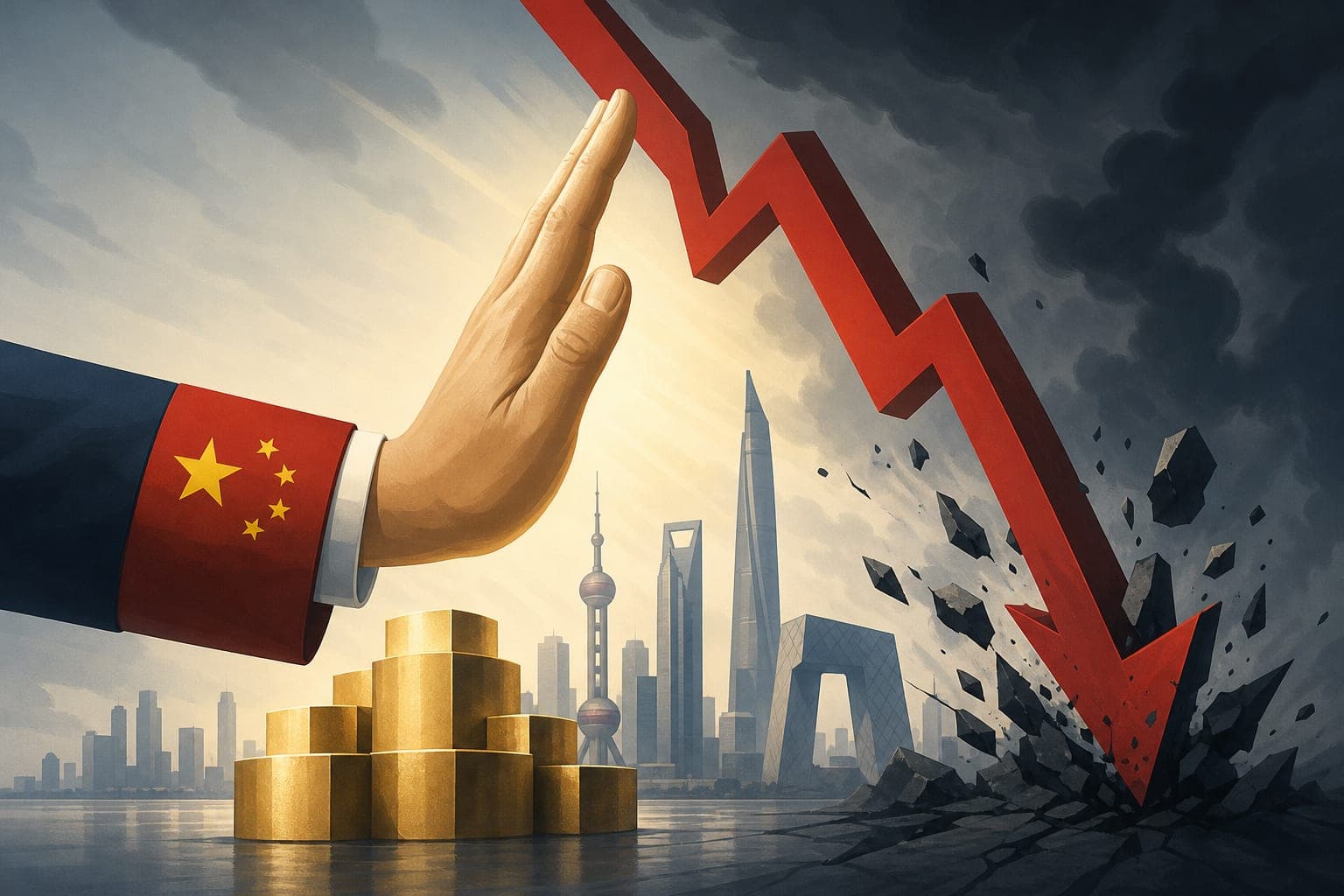
Seldom has Beijing intervened so aggressively in its equity markets as it has in recent weeks. China's so-called national team of state-backed funds has poured an estimated $25.5 billion into domestic stocks. The purchases aim to arrest a prolonged selloff that pushed the benchmark CSI 300 Index into bear territory. The index has declined approximately twenty percent from its June peak after ten consecutive weekly losses. This marks its first bear market since the pandemic-driven collapse of 2020.
The rout has been particularly devastating for technology and artificial intelligence shares. China's STAR 50 index of AI and semiconductor firms has plunged roughly forty percent in under four months. That staggering decline has wiped out approximately $480 billion in market capitalization. Shares in optical component makers and chip developers have suffered even steeper losses. The selloff reflects growing skepticism about inflated valuations and uncertain demand for AI technology.
State-backed entities, including Central Huijin Investment, have been purchasing exchange-traded funds to stabilize prices. Record inflows into blue-chip ETFs suggest that Beijing is seeking to establish a floor beneath falling shares. Financial regulators have also convened meetings to discuss additional stabilization measures. These include urging companies to buy back shares and guiding certain investors to curb selling. Nevertheless, analysts remain skeptical about the efficacy of such interventions.
The underlying challenge extends well beyond market sentiment. China's fixed-asset investment declined over seven percent year-on-year during the first nine months of 2026. Consumer spending and property-market conditions remain fragile, undermining corporate earnings prospects. Investment banks warn that even substantial government intervention may merely slow the selloff. Without genuine improvements in the broader economy, a sustained recovery appears elusive.
This episode carries significant implications for global investors reassessing the AI trade. Morgan Stanley expects offshore Chinese stocks to fall another ten to fifteen percent before reaching a bottom. The crisis also jeopardizes Beijing's strategic objective of channeling household savings into equities. Should the bear market persist, it could fundamentally reshape capital allocation patterns across Asian markets. For now, the efficacy of state intervention remains the paramount question.