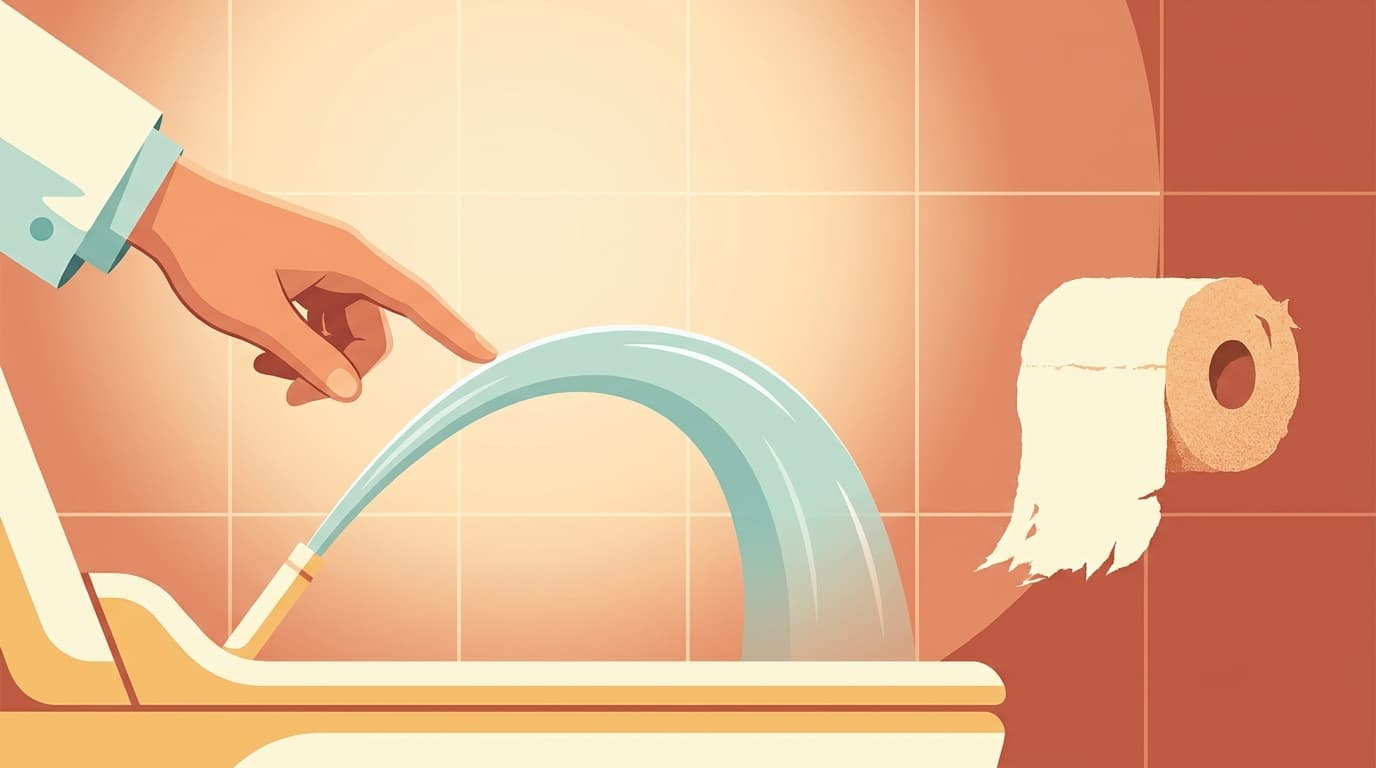
Bidets have been common in Asia, Europe, and South America for decades. However, they were quite rare in American homes until recently. A Harvard gastroenterologist recently wrote about bidets in her newspaper column. She said many people are curious about bidets but not yet ready. Her advice has encouraged readers to consider this hygienic alternative.
Doctors emphasize that the skin in sensitive areas is very delicate. Dry toilet paper can cause tiny tears and irritation over time. Water, on the other hand, provides a gentle and thorough clean. One study found that bidet users had fewer harmful bacteria on their hands. Experts believe that if more people used bidets, skin problems would decrease.
The bidet market in the United States has grown significantly since 2020. Toilet paper shortages during the pandemic introduced millions to this option. Today, affordable attachments can be installed in under thirty minutes. Modern models offer features like heated seats and adjustable water pressure. These innovations have made bidets accessible to almost everyone.
Beyond health, bidets also benefit the environment in important ways. Producing one roll of toilet paper requires up to thirty-seven gallons of water. A bidet uses only a fraction of that amount per wash. If households switched to bidets, it would reduce waste and save trees. Both doctors and environmental experts now recommend bidets as a sustainable choice.