
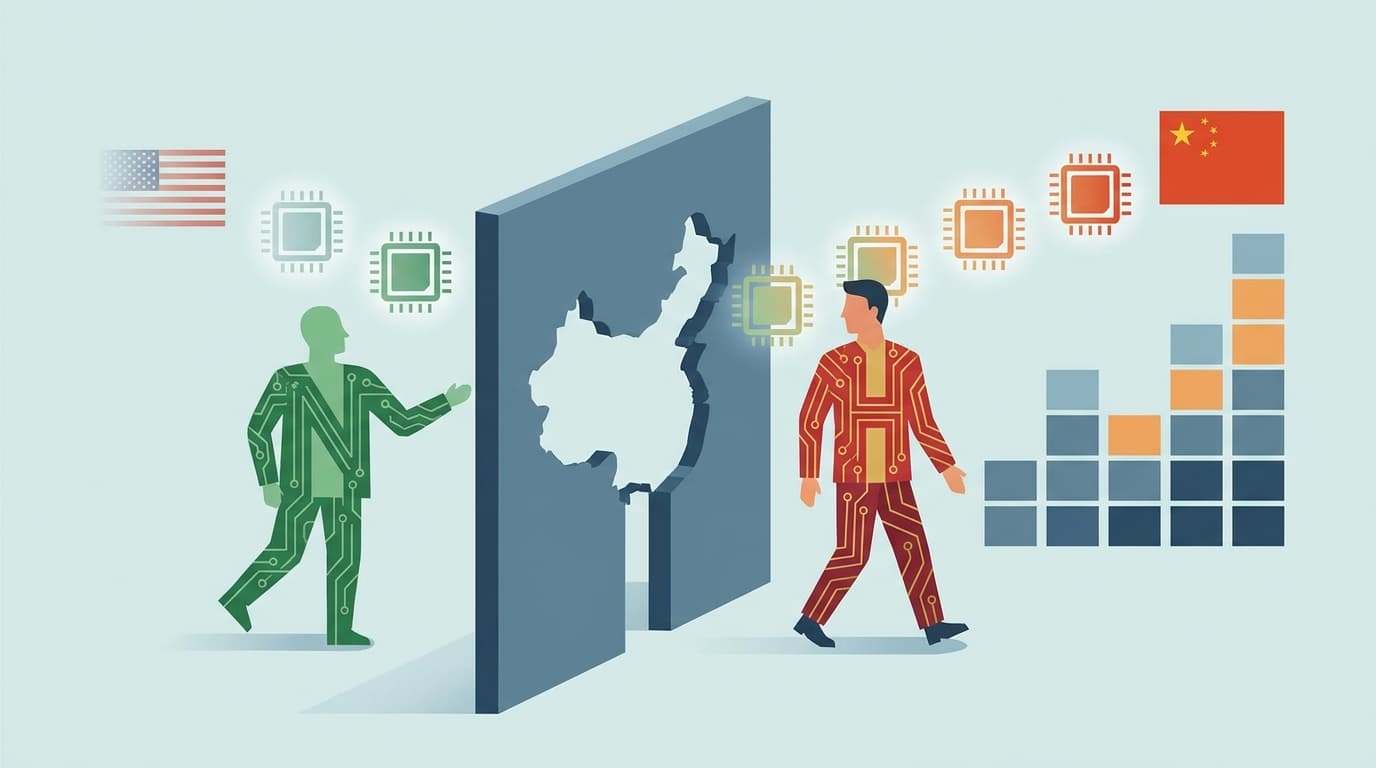
Nvidia CEO Jensen Huang has acknowledged a major shift in the global AI chip industry. He stated that Nvidia has largely conceded China's AI chip market to Huawei. His remarks came after Nvidia reported record quarterly revenue of $81.6 billion. This figure represents an 85% surge compared to the same period last year. Despite these impressive results, the loss of China remains a strategic concern.
U.S. export restrictions have reshaped the competitive landscape in significant ways. The Trump administration required Nvidia to obtain licenses before exporting advanced chips to China. China had previously accounted for at least one-fifth of Nvidia's data center revenue. Huang described Huawei as being very strong and praised its growing domestic ecosystem. He noted that Nvidia had effectively evacuated that lucrative market.
Huawei has rapidly expanded its presence in China's AI semiconductor sector. The company's AI chip revenue is projected to reach $12 billion in 2026. Its Ascend 950PR chip entered mass production in March and has driven substantial orders. Morgan Stanley forecasts that China's AI chip market could reach $67 billion by 2030. Chinese domestic suppliers are expected to capture 86% of that market.
Nvidia announced an $80 billion share buyback program alongside a significant dividend increase. The company does not expect any data center revenue from China next quarter. Had restrictions been eased earlier, Nvidia could have maintained its dominant position in China. This situation illustrates how geopolitical tensions can fundamentally alter global technology markets. Investors must now assess whether Nvidia's growth elsewhere can offset this concession.