
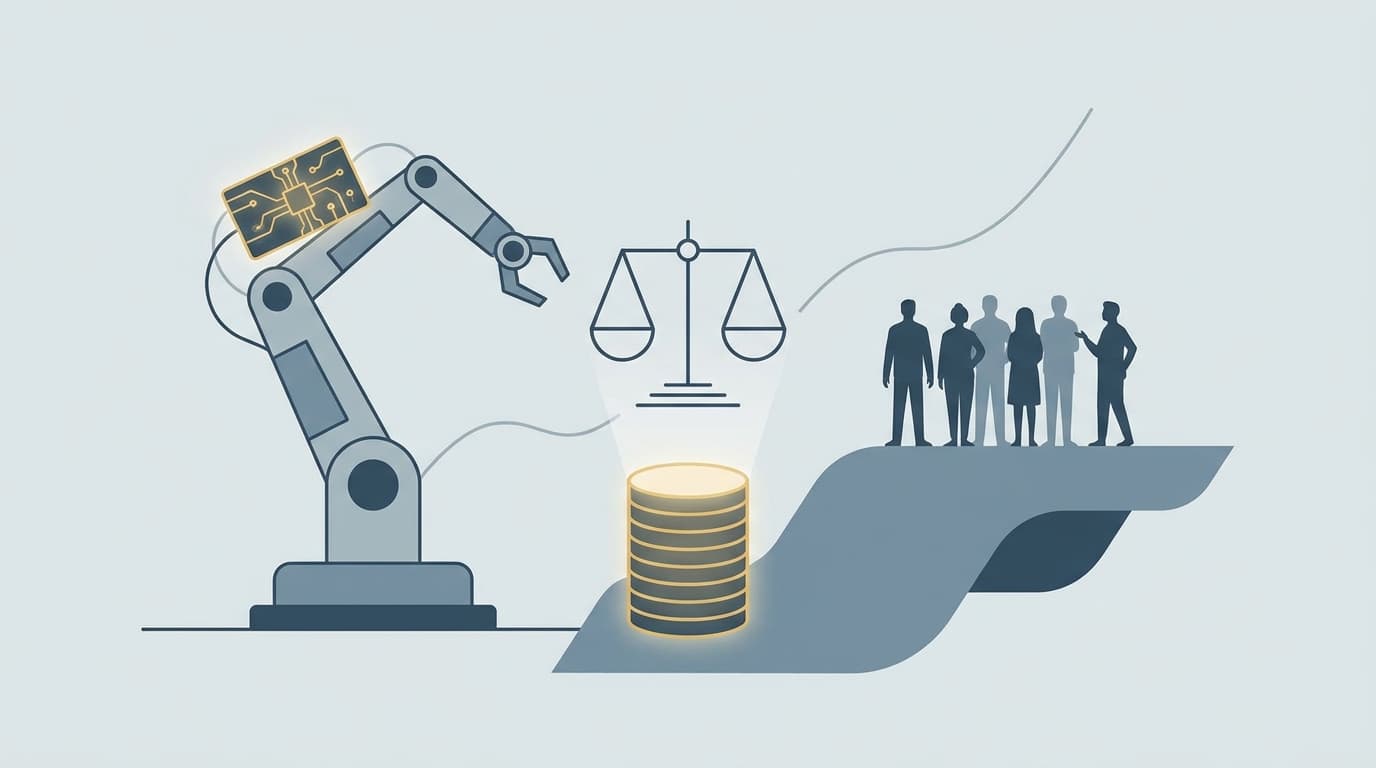
Seldom has a labor dispute carried such profound implications for the global technology supply chain. Samsung Electronics, the world's largest memory chipmaker, narrowly averted what would have been the semiconductor industry's largest strike. Over 47,000 unionized workers had threatened an unprecedented 18-day walkout beginning May 21. Hours before it commenced, a tentative agreement was reached following government-mediated negotiations.
The crux of the dispute lies in how Samsung distributes the windfall from the artificial intelligence boom. The company reported record quarterly operating profit of 57.2 trillion won, roughly 38 billion dollars, representing an eightfold surge. Workers demanded the removal of a longstanding bonus cap set at 50 percent of annual salary. They also sought 15 percent of annual operating profit allocated to a formalized bonus pool.
Under the tentative deal, Samsung agreed to eliminate the bonus cap and allocate 10.5 percent of operating profit to employee bonuses. Of this amount, 40 percent is designated for memory chip workers, with the remainder distributed among other divisions. A portion of these bonuses will be paid in company stock over a minimum of ten years. Union members are voting on the agreement from May 22 to 27.
The ramifications extend well beyond Samsung's Pyeongtaek semiconductor plant. Samsung accounts for 12.5 percent of South Korea's GDP and nearly 23 percent of its exports. A previous one-day rally in April caused foundry output to plummet by 58 percent. JPMorgan estimated that a full strike could cost Samsung up to 20 billion dollars in lost revenue.
Industry analysts are monitoring the outcome as a barometer for labor relations across the technology sector. Should workers reject the tentative agreement, the repercussions could reverberate throughout AI hardware supply chains globally. The dispute underscores a growing tension: as corporations reap extraordinary profits from AI, employees increasingly demand equitable compensation. Not since the early days of industrialization has the question of profit-sharing been so pivotal.