
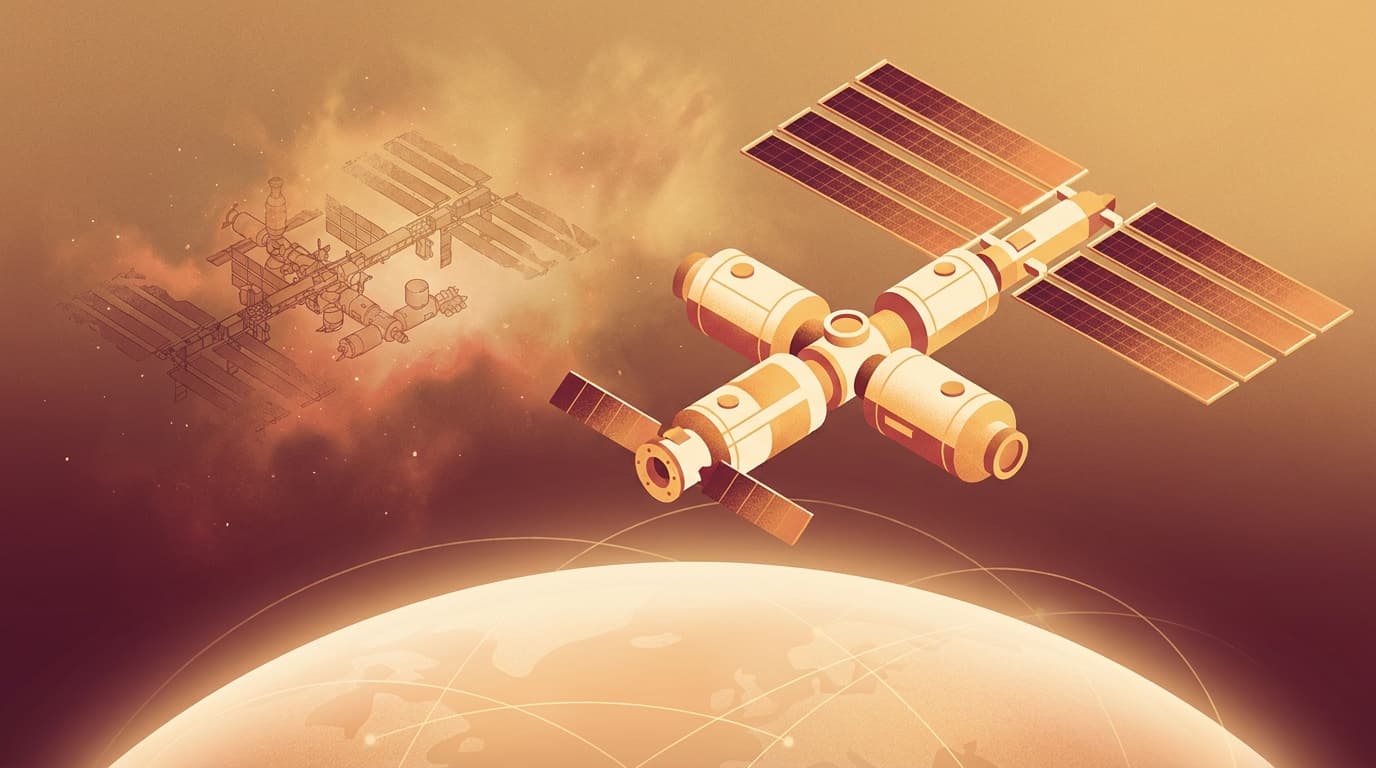
The International Space Station has been continuously occupied since November 2000. It represents one of humanity's greatest achievements in cooperation. The United States, Europe, Canada, Japan, and Russia all contributed to building it. However, the ISS is aging, and NASA plans to deorbit it around 2030. A SpaceX vehicle will guide the massive structure into the Pacific Ocean.
China was effectively excluded from the ISS after the Wolf Amendment was passed in 2011. This U.S. law prohibited NASA from bilateral cooperation with Chinese space agencies. Rather than being discouraged, China accelerated its own space ambitions. It launched the core module of Tiangong in 2021 and completed the station by late 2022. Had the U.S. invited China to participate, the space landscape might look very different today.
Tiangong, which means "Heavenly Palace," is smaller but newer than the ISS. Its three modules currently weigh about 70 tons, compared to the ISS at 420 tons. China plans to double Tiangong's size by adding three more modules before 2030. The expanded station would reach approximately 180 tons and operate for 15 years. Experiments from seventeen nations have already been selected to fly aboard it.
NASA has funded commercial companies to build successor stations, but none are ready yet. If these commercial platforms are delayed, Tiangong could temporarily become humanity's sole orbital laboratory. Countries seeking microgravity research would have fewer options for their experiments. This potential shift carries both symbolic and practical consequences for global diplomacy. The race to maintain a human presence in orbit has never been more competitive.