
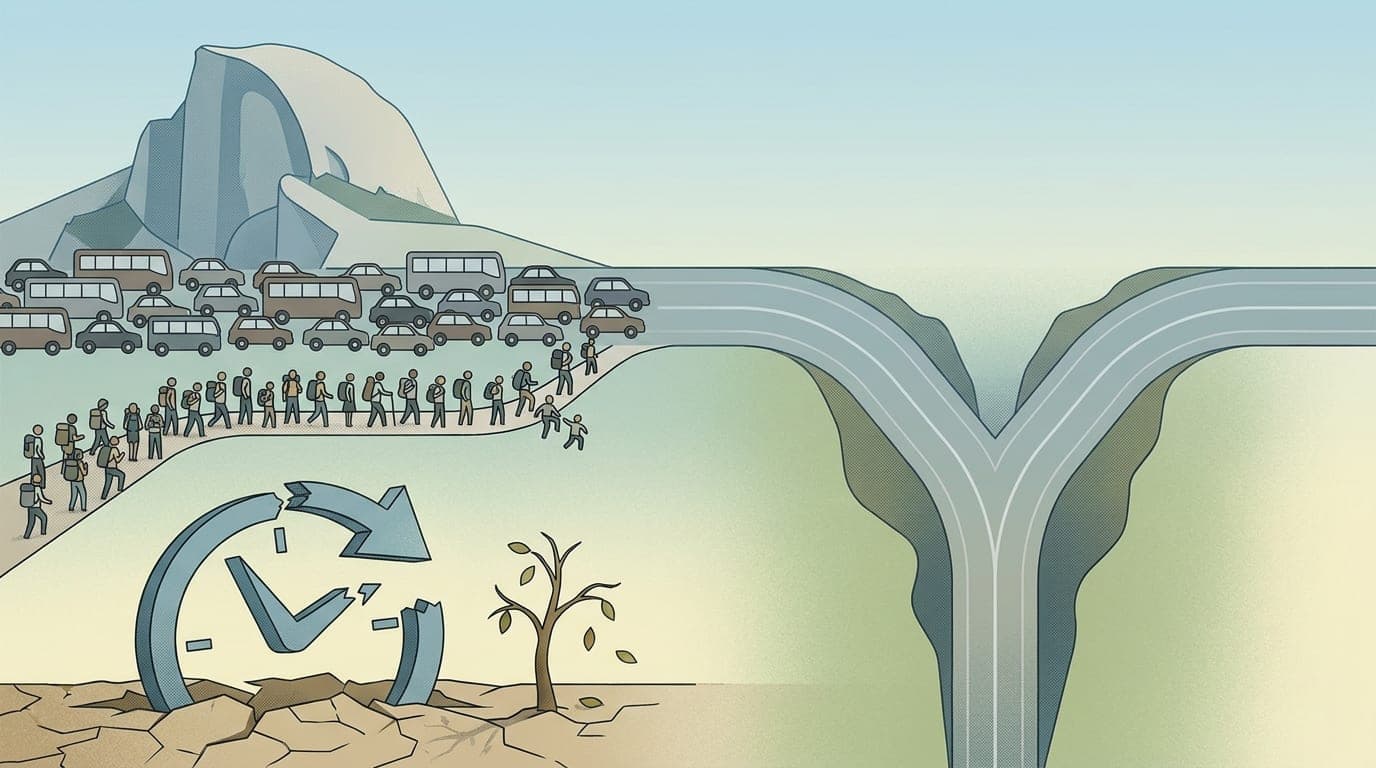
Yosemite National Park is confronting a significant overcrowding challenge this year. In February 2026, the National Park Service announced that vehicle reservations would no longer be required. The decision followed an evaluation of traffic patterns and parking availability from the previous season. However, conservation advocates had warned that removing reservations would lead to severe congestion. Their concerns have already been validated by recent events at the park.
On May 2, all parking in Yosemite Valley was completely full by 10:59 a.m. The park was forced to issue an alert urging visitors to avoid the valley entirely. Approximately ninety minutes later, the Hetch Hetchy area also reached full capacity. Traffic at the south entrance had backed up by roughly an hour and a half. This occurred on a spring Saturday, well before the peak summer months begin.
The reservation system had been developed over several years to manage growing visitor numbers. Visitation to Yosemite increased by more than thirty percent between 2000 and 2019. The park welcomed 4.76 million visitors in 2025 alone. Conservation groups argue that the previous system had successfully reduced crowding and improved experiences. The National Parks Conservation Association described the policy reversal as choosing chaos over conservation.
Park officials maintain that targeted traffic management will be sufficient to address congestion. They plan to deploy additional staff at key intersections during peak periods. Visitors are being encouraged to arrive early, use public transportation, and explore less crowded areas. Nevertheless, if conditions had been managed through the reservation system, such disruption could have been prevented. The situation raises fundamental questions about balancing public accessibility with environmental preservation.