
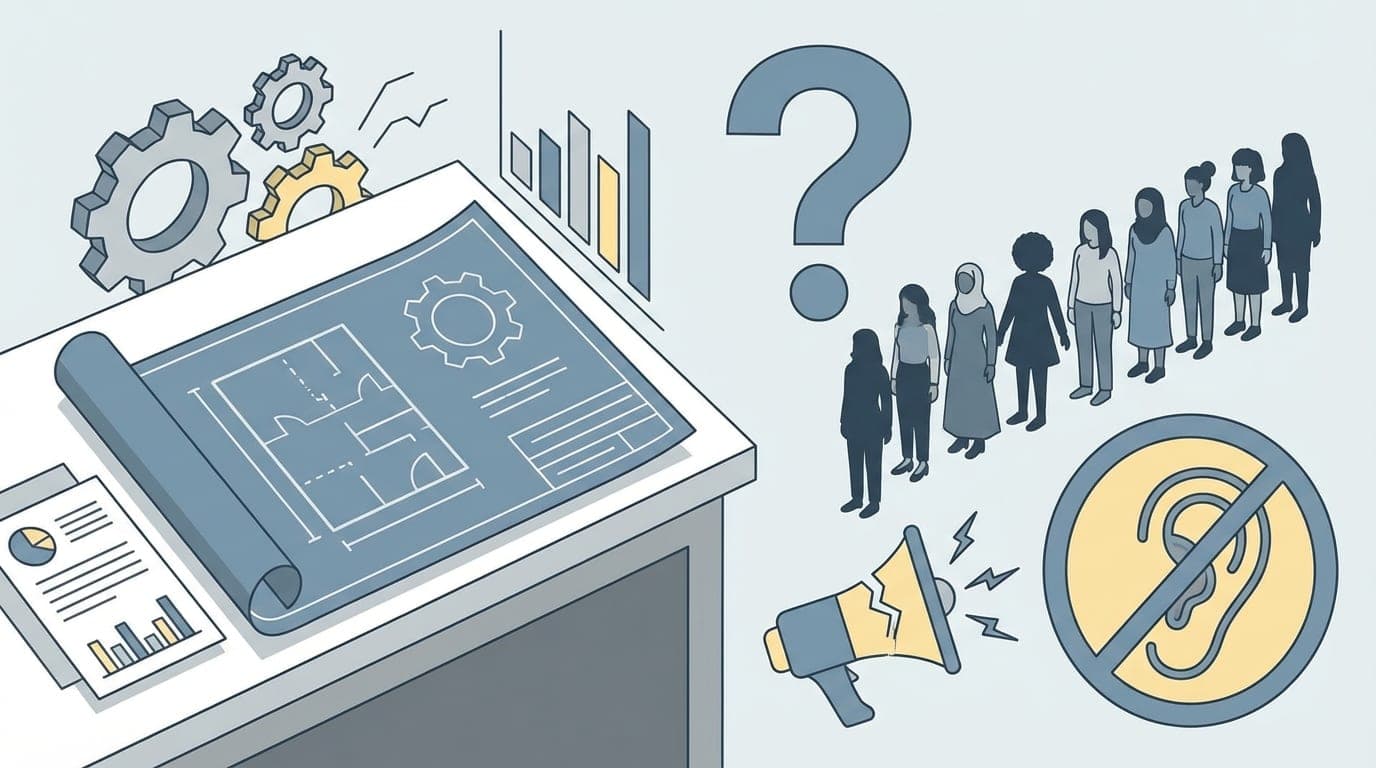
The United Kingdom has renewed its Women's Health Strategy to address longstanding inequalities in healthcare. Health Secretary Wes Streeting acknowledged that the NHS has been failing women. He stated that the system suffers from everyday sexism and medical misogyny. Despite these ambitious promises, many women say they still do not feel listened to. The gap between policy and patient experience remains a significant concern.
The evidence supporting these claims is substantial and deeply troubling. Nearly 580,000 women are currently waiting for gynaecology care in England. Gynaecology waiting times have more than doubled over the past eight years. Women with endometriosis wait an average of nine years before receiving a diagnosis. Furthermore, women's health conditions cost the UK economy an estimated £11 billion annually.
The renewed strategy proposes several reforms to dismantle these systemic barriers. Women will be offered proper pain relief during invasive medical procedures. A new menstrual education programme has been funded with £1 million. Patient feedback will be directly linked to hospital funding through a new trial. Had these measures been implemented earlier, countless women could have avoided years of suffering.
Experts have offered a cautiously optimistic response to the government's proposals. The Royal College of Obstetricians and Gynaecologists welcomed plans to tackle waiting lists. However, critics argue that previous strategies had also promised meaningful change without delivering results. If the government fails to provide sustained funding, this initiative may follow the same pattern. Ultimately, the strategy's success will depend on whether women genuinely feel heard.