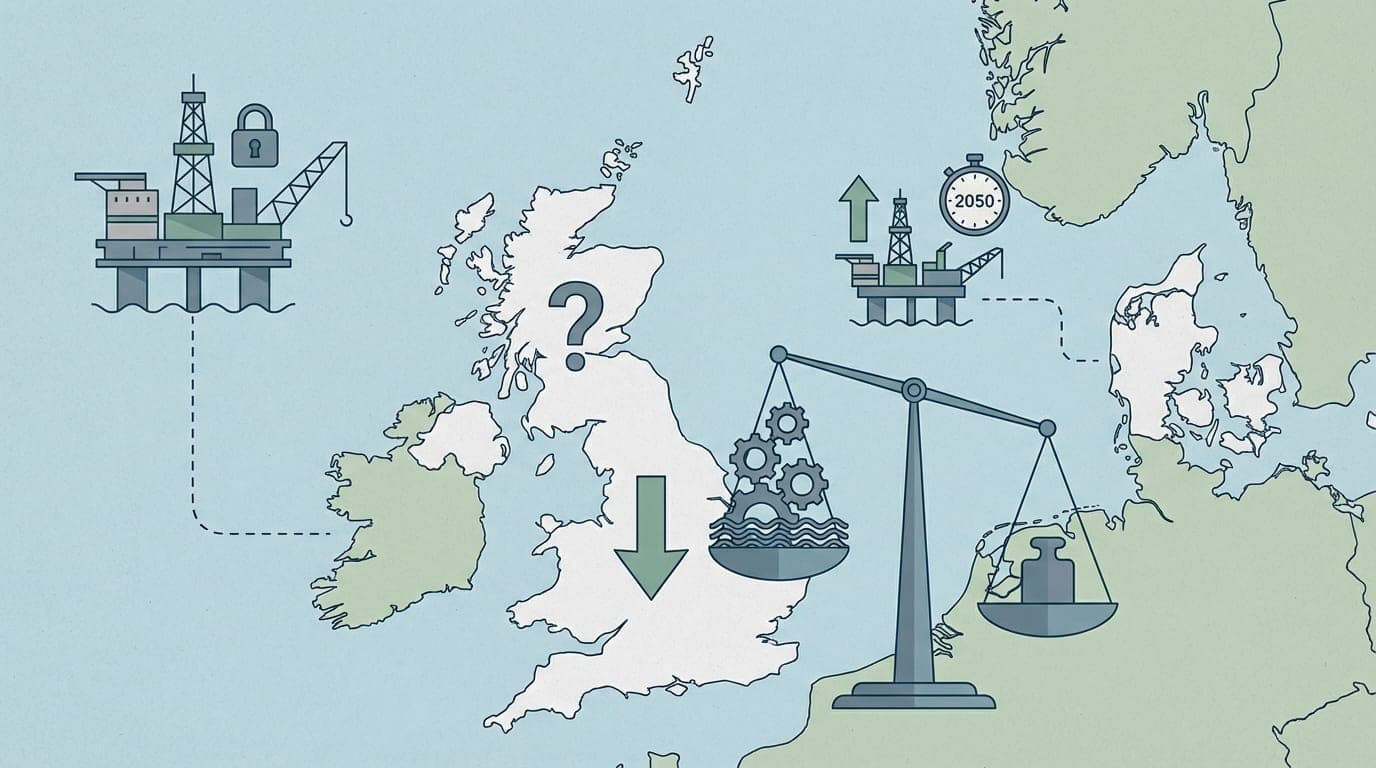
A major policy debate has emerged in the United Kingdom about North Sea energy. The offshore industry is pressing the government to reopen oil exploration. Energy Secretary Ed Miliband has refused to relax the ban on new drilling. However, declining oil and gas production has increased pressure on the government. Many believe the current approach threatens both jobs and energy security.
The industry points to Denmark as a key comparison. Denmark is preparing to extend its drilling operations until 2050. The Danish government wants to reduce European reliance on Russian gas. Denmark's climate minister stated that energy is a weapon in wrong hands. This contrast has strengthened calls for the UK to reconsider its position.
The UK government has maintained its commitment to net zero targets. Labour promised in its manifesto not to grant new exploration licences. Reports suggest that UK oil production has declined sharply over recent decades. Some analysts estimate that ninety percent of viable reserves have been used. Despite this, the offshore industry sustains over two hundred thousand jobs nationwide.
Critics argue that restricting domestic production increases carbon emissions overall. Importing energy from overseas reportedly creates fifty percent more emissions. If the government invested more in local production, energy bills would fall. Supporters of the ban say renewable energy is the only lasting solution. This tension between economic needs and climate goals will likely shape policy.