Seldom has a single commodity so profoundly distorted a headline economic indicator. U.S. retail sales climbed 1.7% in March, reaching $752.1 billion and marking the fastest monthly pace since January 2023. The surge, driven predominantly by war-related gasoline price spikes, surpassed economist expectations of 1.4%. This ostensibly robust figure, however, warrants careful scrutiny from analysts and policymakers alike.
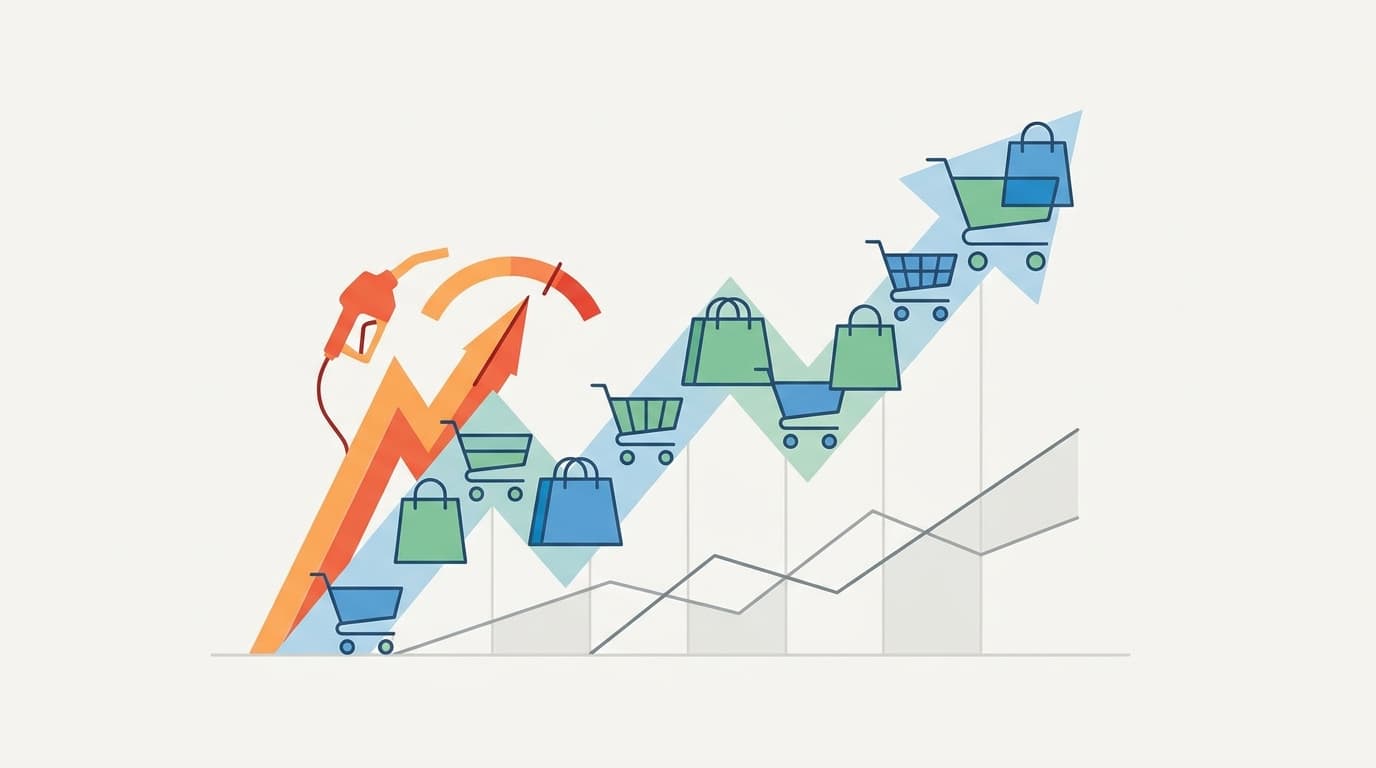
The primary catalyst behind the uptick was a record 15.5% monthly jump in gasoline station receipts. The ongoing conflict involving Iran and the closure of the Strait of Hormuz sent global oil prices soaring over 30%. Retail gasoline prices surged 24.1% in March alone, according to the U.S. Energy Information Administration. That single category accounted for roughly two-thirds of the overall monthly gain in sales.
Notably, stripping out gasoline, the underlying consumer spending picture remains surprisingly resilient. Retail sales excluding gas stations still rose 0.6%, while core retail sales climbed 0.7%. Furniture stores rebounded 2.2%, and electronics retailers posted a 0.9% gain. Tax refunds, averaging $351 more than the prior year, bolstered household purchasing power across non-fuel categories.
Nevertheless, economists caution that this resilience may prove ephemeral. Consumer sentiment plunged to a record low in April, according to the University of Michigan survey. Stanford researchers estimate war-driven price spikes have increased Americans' annual gasoline costs by $857. Discretionary spending is already showing strain, with food services growing a mere 0.1% in March.
The implications for monetary policy are considerable. Strong retail data, combined with elevated inflation, diminishes prospects for Federal Reserve rate cuts. Goldman Sachs subsequently raised its first-quarter GDP growth estimate to 3.3%. Yet the precarious interplay between geopolitical disruption and consumer endurance will determine the trajectory ahead. Markets must reconcile nominal spending strength with the erosion of real purchasing power.