
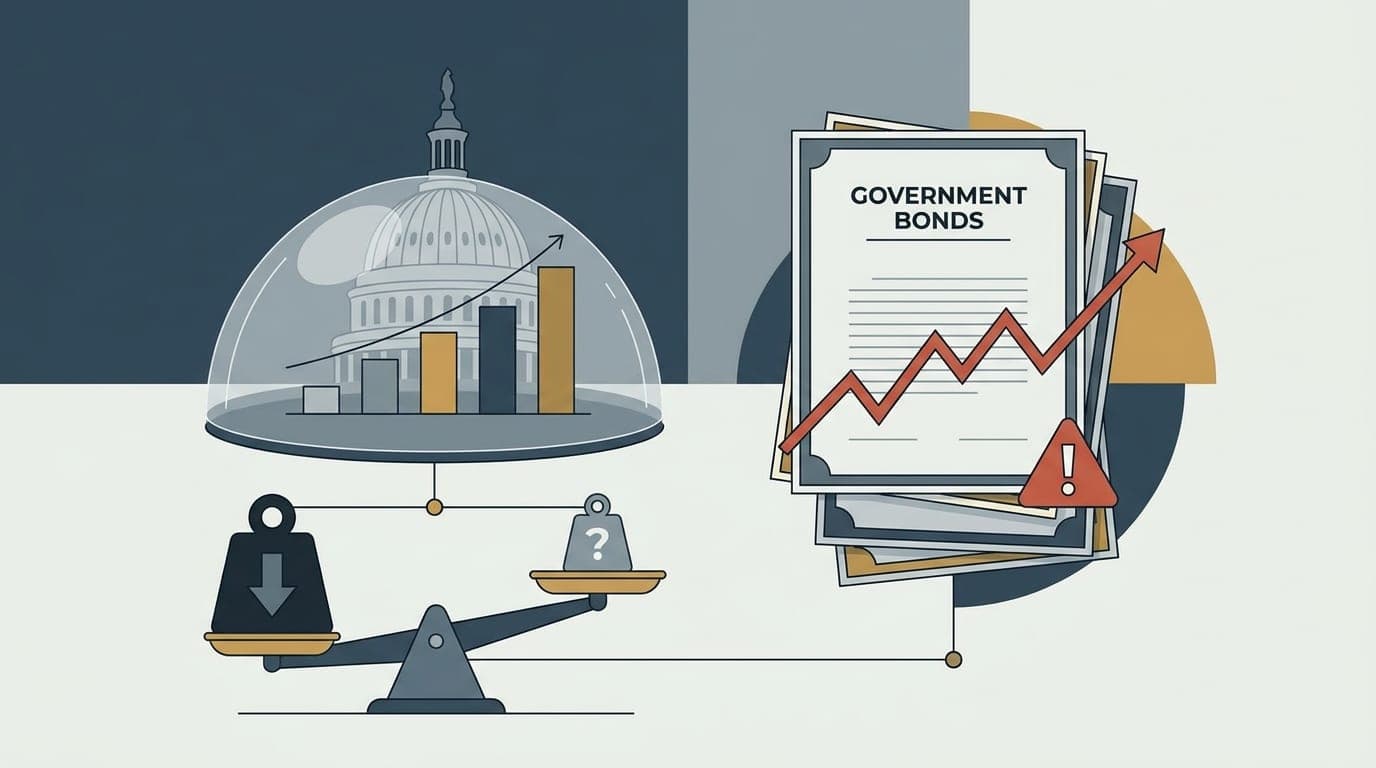
The United States government faces a serious financial challenge this spring. The Treasury Department announced it must borrow far more than planned. It now estimates borrowing of $189 billion for the April to June quarter. This figure is $79 billion higher than the estimate made in February. When adjusted for other factors, the increase is actually $122 billion.
The spring quarter typically requires less government borrowing than other periods. Tax payments usually bring in significant revenue during this season. However, weaker cash flow has disrupted these expectations considerably. New tax breaks and court-ordered tariff refunds have reduced incoming funds. The government may need to refund importers as much as $166 billion.
The bond market has responded to this situation in an unprecedented way. Since mid-2024, the Federal Reserve has cut interest rates by 175 basis points. Despite this, the 10-year Treasury yield has only fallen by about 35 points. Meanwhile, the 30-year yield has reached 5 percent. Analysts describe this disconnect between policy and market behavior as extraordinary.
Experts warn that bond investors are demanding higher yields to compensate for risk. Annual budget deficits now run at roughly two trillion dollars per year. Interest costs alone have reached one trillion dollars annually. Traditional buyers like foreign central banks have pulled back from the market. If the government continued borrowing at this rate, financial pressures would intensify.