
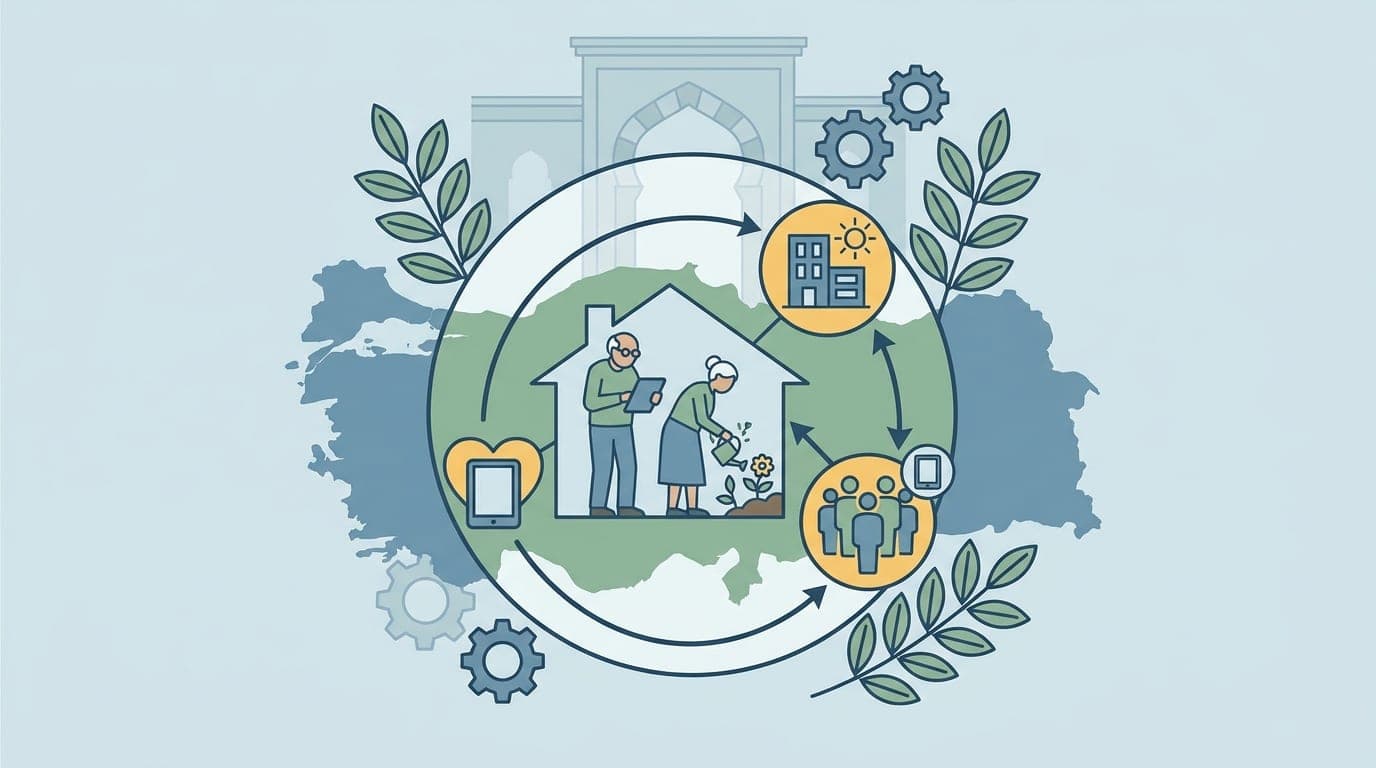
Seldom has a nation confronted demographic transformation with such decisive policy action as Turkey has recently demonstrated. At the 2nd Aging Council held in Ankara, Minister Göktaş formally unveiled the Elderly-Friendly Turkey Model. Themed 'Walking to the future together with our great plane trees,' the council signaled a fundamental shift in strategy. The government now aims to keep elderly citizens integrated within their families and communities rather than isolated.
The demographic imperative behind this initiative is striking. According to the World Health Organization, the global population aged sixty and above will reach 1.4 billion by 2030. By 2050, that figure is projected to surge to 2.1 billion worldwide. In Turkey specifically, the population aged sixty-five and older is expected to constitute 11.1 percent by 2025.
What distinguishes this model from conventional approaches is its emphasis on home-based and community-centered care. The Home Care Assistance program currently supports 114,823 elderly individuals living with their families. Furthermore, the National Loyalty Program provides personal care for 132,000 senior citizens directly in their residences. The YADES Elderly Support Program has reached 164,169 people through 123 projects across 86 municipalities.
Turkey's institutional infrastructure nonetheless remains substantial, with 176 state nursing homes housing 14,969 residents. An additional 291 private nursing homes accommodate 13,614 individuals across the country. Currently, 42 Daytime Active Life Centers operate nationwide, and eight new nursing homes are planned for this year. Moreover, 1,923 elderly citizens have received digital and financial literacy training through dedicated programs.
The broader implications of this policy shift merit careful consideration by other aging societies. Had Turkey not acted proactively, the strain on its healthcare system would have been considerably more severe. This integrated approach, combining institutional capacity with community-based solutions, may serve as a viable paradigm. Not only does it preserve the dignity of senior citizens, but it also alleviates the fiscal burden on the state.