Seldom has a climate conference carried such geopolitical weight as COP31, which Turkey will host in Antalya this November. Minister Murat Kurum, serving as both COP31 President and Minister of Environment, addressed EU ambassadors in Ankara recently. He conveyed Turkey's vision for the summit in a detailed briefing to the European Union Delegation. The diplomatic meeting underscored the imperative of forging robust alliances ahead of the conference.
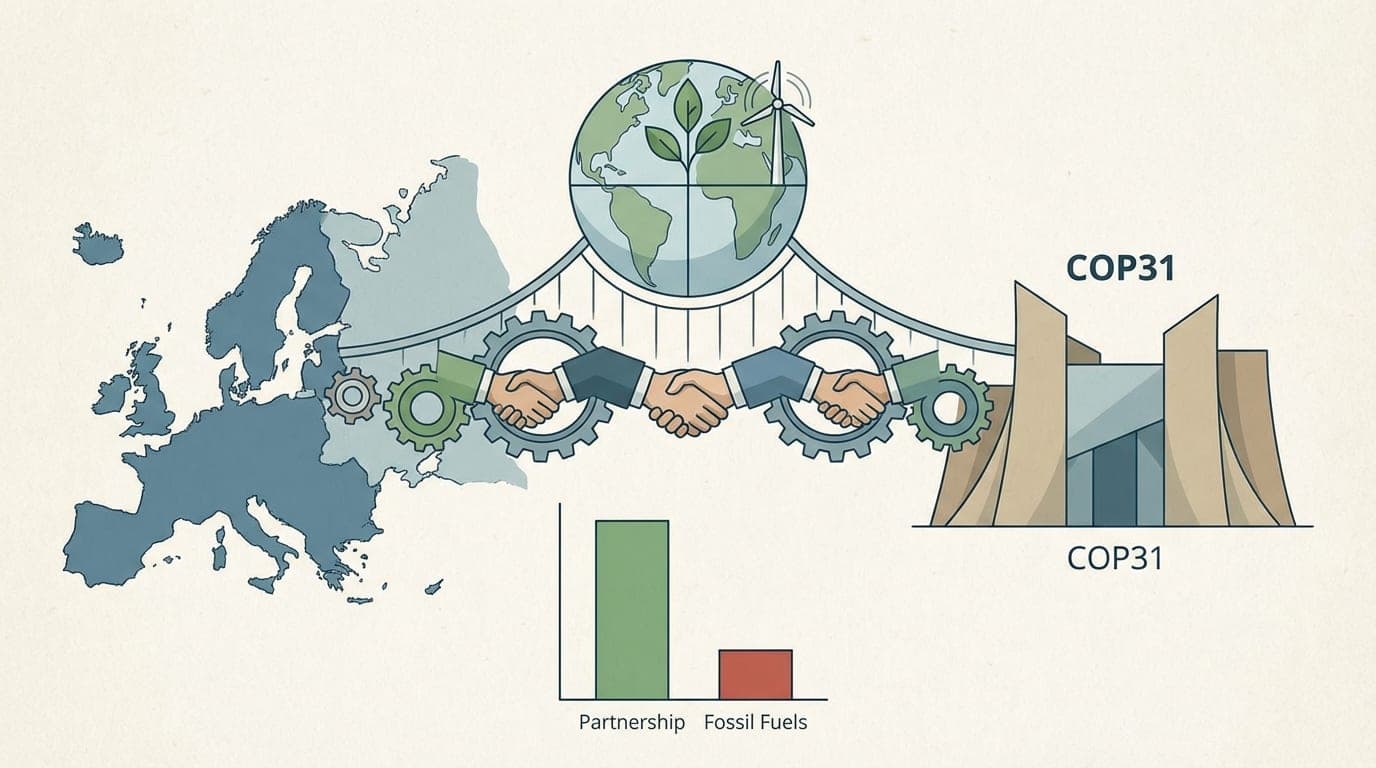
Kurum framed Turkey's hosting role not merely as a technical exercise but as a profound global responsibility. He emphasised that supply chain disruptions caused by conflict, surging energy demands, and escalating natural disasters necessitate collaboration. Renewable energy, he noted, still accounts for only 24 percent of total global energy consumption. Fossil fuels, meanwhile, continue to constitute approximately 70 percent, revealing a stark implementation gap.
Defining COP31 as an Implementation COP, Kurum argued that the principal obstacle is not insufficient targets but inadequate execution. Turkey has outlined nine priority areas, including the expansion of circular production models through the Zero Waste initiative. Additional priorities encompass reducing methane emissions, combating food waste, and enhancing climate literacy among youth. The integration of young people into decision-making mechanisms was also highlighted as indispensable.
Turkey's alignment with European environmental standards has yielded tangible progress in recent years. The national recycling rate has risen from 30 to 36 percent, with a deposit system being extended across all provinces. Furthermore, Turkey is developing an Emissions Trading System and a Green Taxonomy to strengthen voluntary carbon markets. These measures demonstrate a concerted effort to harmonise domestic policy with broader continental frameworks.
COP31 will convene delegations from 196 countries at the Antalya EXPO Centre from November 9 to 20. Australia will serve as President of Negotiations under an unprecedented shared leadership arrangement agreed at COP30. Kurum urged European partners to intensify their engagement, describing the conference as a symbol of peace and cooperation. Whether this ambitious diplomatic architecture can bridge the widening gap between rhetoric and action remains to be seen.