
Seldom has a public figure articulated the pervasive nature of female objectification with such unflinching candour. British model Charli Howard has disclosed that she was first sexualised at the age of seven by a neighbour. In a deeply personal account published in The Independent, Howard catalogues decades of unwanted sexualisation. The perpetrators, she reveals, were not strangers but trusted figures, including teachers, colleagues, and a therapist.
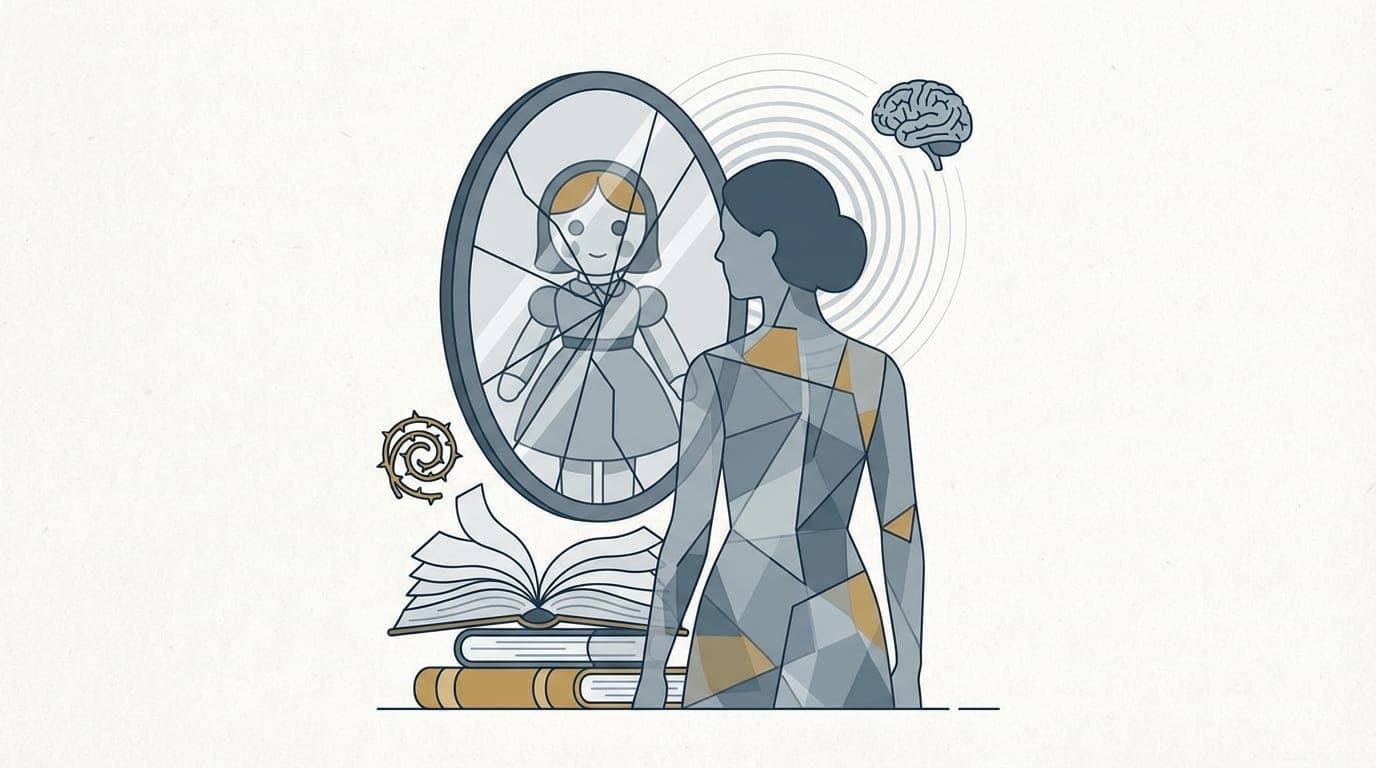
What distinguishes Howard's testimony is its examination of how childhood objectification precipitates lasting psychological harm. She developed eating disorders as a teenager, a response she now recognises as common among abuse survivors. Howard has stated that she could not control the sexualisation but could control her body. This compulsion to regulate her physical form ultimately drew her toward the modelling industry.
Paradoxically, the fashion world compounded rather than alleviated her insecurities. Howard was dropped by her modelling agency in 2015 for being deemed too large, despite being medically underweight. The industry, she contends, is replete with men who exploit proximity to young women through professional pretexts. At thirty-two, Howard describes having reached an emotional nadir that became the catalyst for transformation.
Howard's new book, Flesh, constitutes a broader indictment of how society has systematically dissected the female body. She draws a compelling correlation between the resurgence of extreme thinness and the concurrent rise of far-right ideology. Howard further observes that women are obtaining weight-loss medication illegally, even at healthy body weights. These patterns, she argues, are not coincidental but symptomatic of a patriarchal culture that equates worth with appearance.
Her account has reignited critical discourse on the long-term ramifications of the male gaze. Howard was diagnosed with PTSD resulting from years of cumulative sexualisation by those in positions of authority. She hopes her openness will prompt other women to interrogate the origins of their own insecurities. Ultimately, Howard's narrative challenges the pervasive assumption that beauty confers protection or self-worth.