
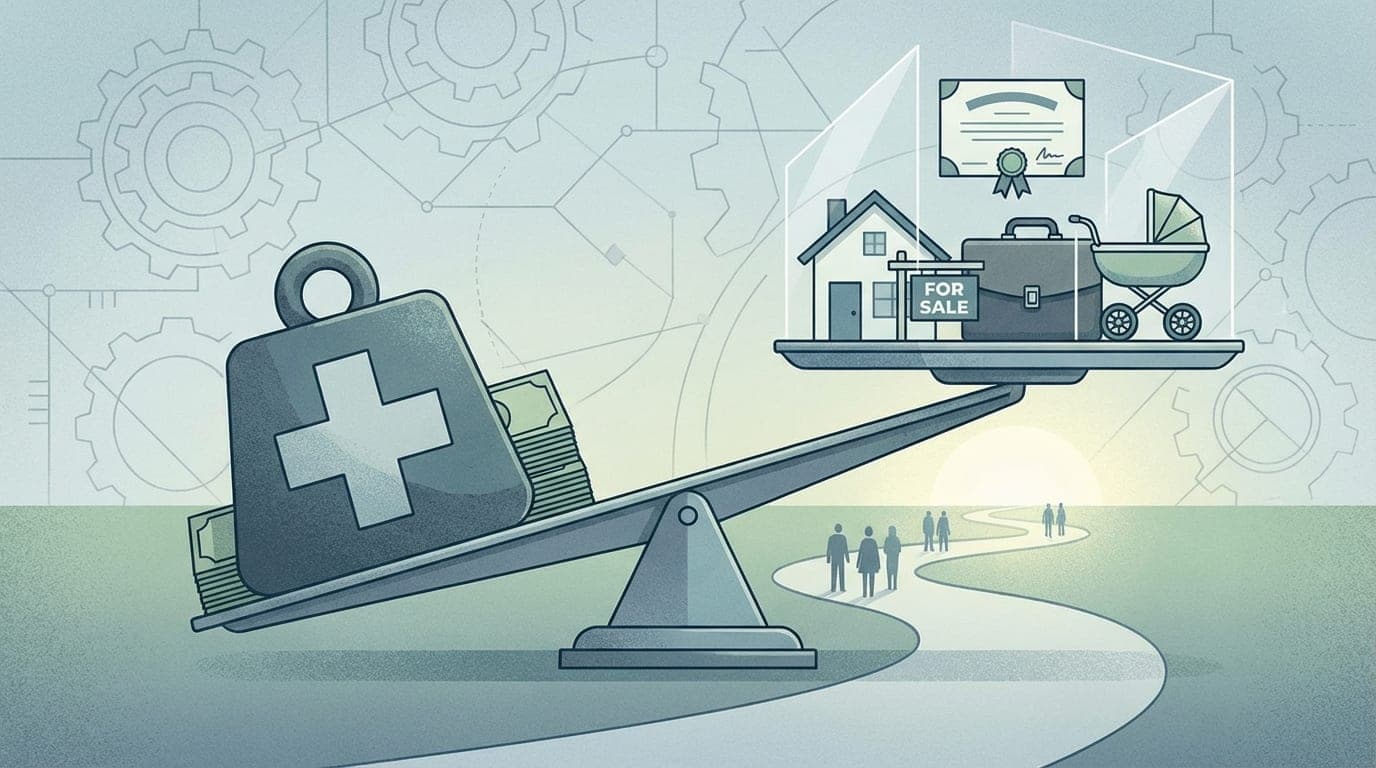
Seldom has a survey so starkly illustrated the pervasive burden of healthcare costs on ordinary Americans. A comprehensive West Health-Gallup study of nearly 20,000 adults has revealed deeply troubling findings. Tens of millions have delayed surgeries, career moves, and other critical life decisions. The financial strain extends well beyond those who lack insurance coverage.
The survey estimates that over 82 million Americans resorted to at least one sacrifice to pay medical bills. These concessions ranged from rationing prescription medicine to skipping meals entirely. One in three respondents reported making a financial trade-off such as borrowing money within the past year. Remarkably, even 11 percent of affluent households acknowledged making such compromises.
What distinguishes this crisis from a mere budgetary inconvenience is its sweeping impact on life trajectories. An estimated 37 million people postponed purchasing a home due to medical expenses. Approximately 46 million delayed changing jobs, while 40 million abandoned plans for additional education. These deferrals represent not isolated hardships but a systemic erosion of opportunity.
The consequences of forgoing care create a particularly insidious cycle. Delayed treatment often leads to worsening health conditions that ultimately require costlier interventions. This increased demand for services subsequently drives up insurance premiums and out-of-pocket expenditures. Consequently, more individuals conclude that coverage is prohibitively expensive and choose to go uninsured.
Compounding these challenges, expiring subsidies tied to the Affordable Care Act may further deteriorate affordability. The United States, despite spending more than other developed nations, ranks lower on key health indicators. Had significant policy reforms been enacted earlier, millions might have been spared these agonizing trade-offs. Without intervention, current trends suggest that care will become even less accessible.