
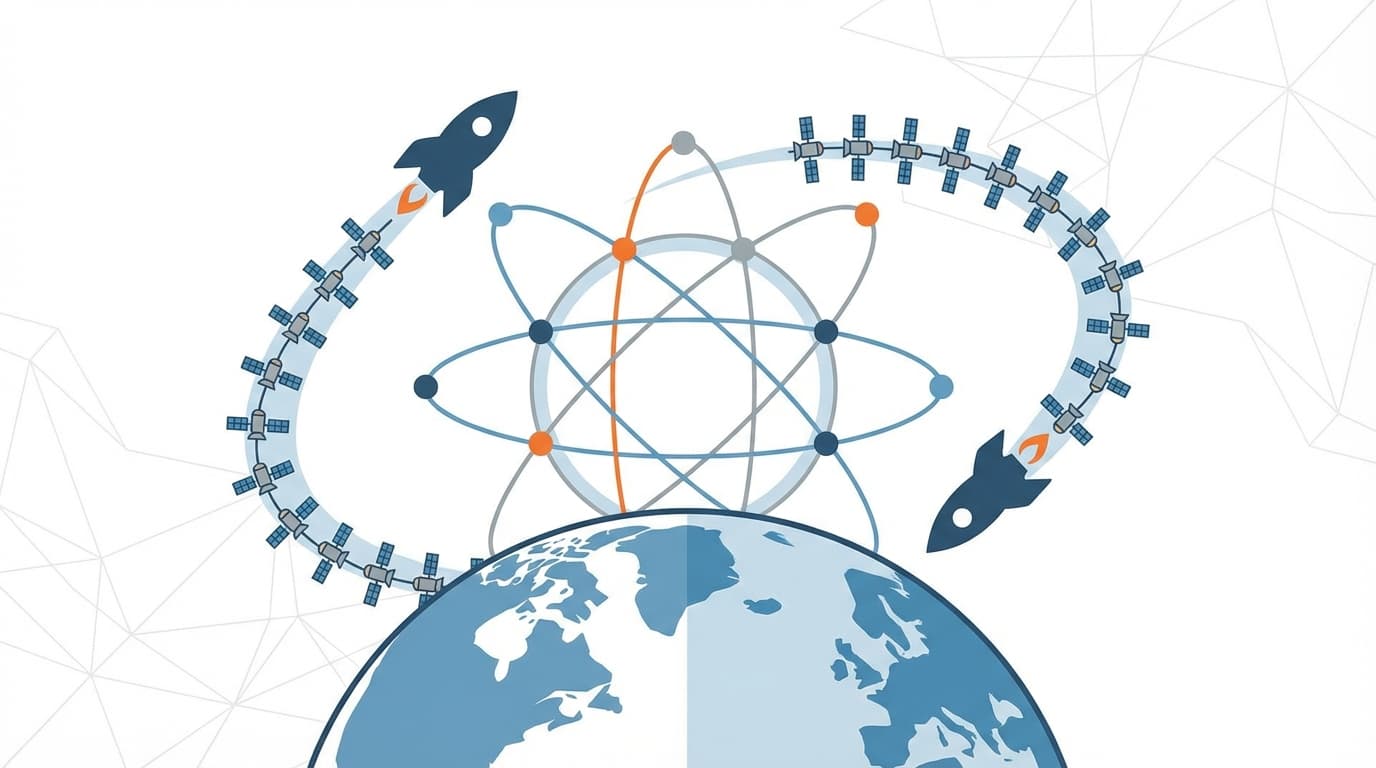
Seldom has a commercial enterprise demonstrated such operational prowess in the aerospace sector. On March 13 and 14, 2026, SpaceX executed back-to-back Falcon 9 launches from both coasts of the United States. A total of 54 Starlink satellites were deployed into low Earth orbit. This feat underscores the company's industrialized approach to satellite constellation deployment.
The first mission, Starlink 17-31, lifted off from Vandenberg Space Force Base in California, carrying 25 satellites. Just 37 minutes later, the Starlink 10-48 mission launched from Cape Canaveral Space Force Station in Florida with 29 satellites. Both Falcon 9 first-stage boosters were recovered on autonomous drone ships named Of Course I Still Love You and Just Read the Instructions. This dual-coast coordination exemplifies the logistical depth required to sustain simultaneous countdowns across separate launch ranges.
From a strategic standpoint, the launches reinforce SpaceX's formidable market position. The Starlink constellation now comprises over 9,900 operational satellites serving more than 10 million subscribers worldwide. Starlink revenue projections for 2026 range from approximately 16 billion to 22 billion dollars. Competitors such as Amazon's Project Kuiper face an uphill battle against this entrenched first-mover advantage.
What distinguishes SpaceX's business model is its vertical integration and relentless focus on reusability. The Falcon 9 boasts a 99.5 percent success rate across nearly 600 launches, dramatically reducing per-mission costs. This cost efficiency has enabled the company to achieve projected free cash flow of nearly five billion dollars in 2026. Analysts increasingly liken the Starlink revenue model to software-as-a-service platforms, where high infrastructure costs yield to low marginal subscriber costs.
Nevertheless, challenges persist on the horizon. Regulatory friction with agencies like the FAA could constrain future launch cadence. Space debris and collision avoidance present growing operational risks as orbital density increases. Furthermore, well-capitalized rivals continue to invest heavily, ensuring that SpaceX cannot afford complacency in this fiercely contested market.