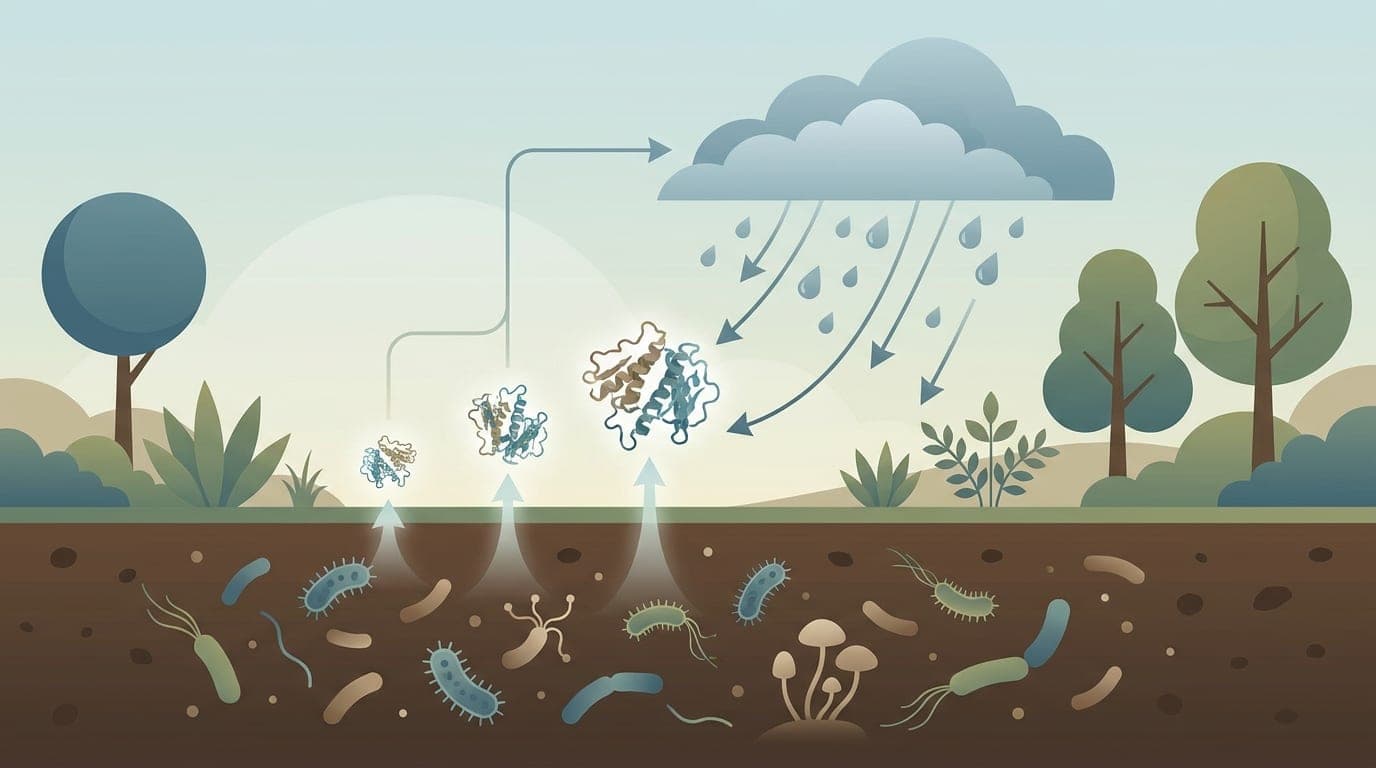
A recent study has uncovered a remarkable link between microscopic soil organisms and rainfall. According to the research, bacteria and fungi in the ground produce ice-nucleating proteins. These proteins can travel into the atmosphere and cause clouds to release rain. The study, which was published in Science Advances, has been described as groundbreaking. It suggests that soil microbes possess a previously unknown influence over weather patterns.
To understand this process, it is essential to consider how rain forms. Most precipitation begins as ice crystals high in the atmosphere. Clouds contain supercooled water that remains liquid even below freezing temperatures. For rain to occur, water molecules require a tiny particle to crystallize around. Dust and soot can serve this purpose, but they are not particularly efficient.
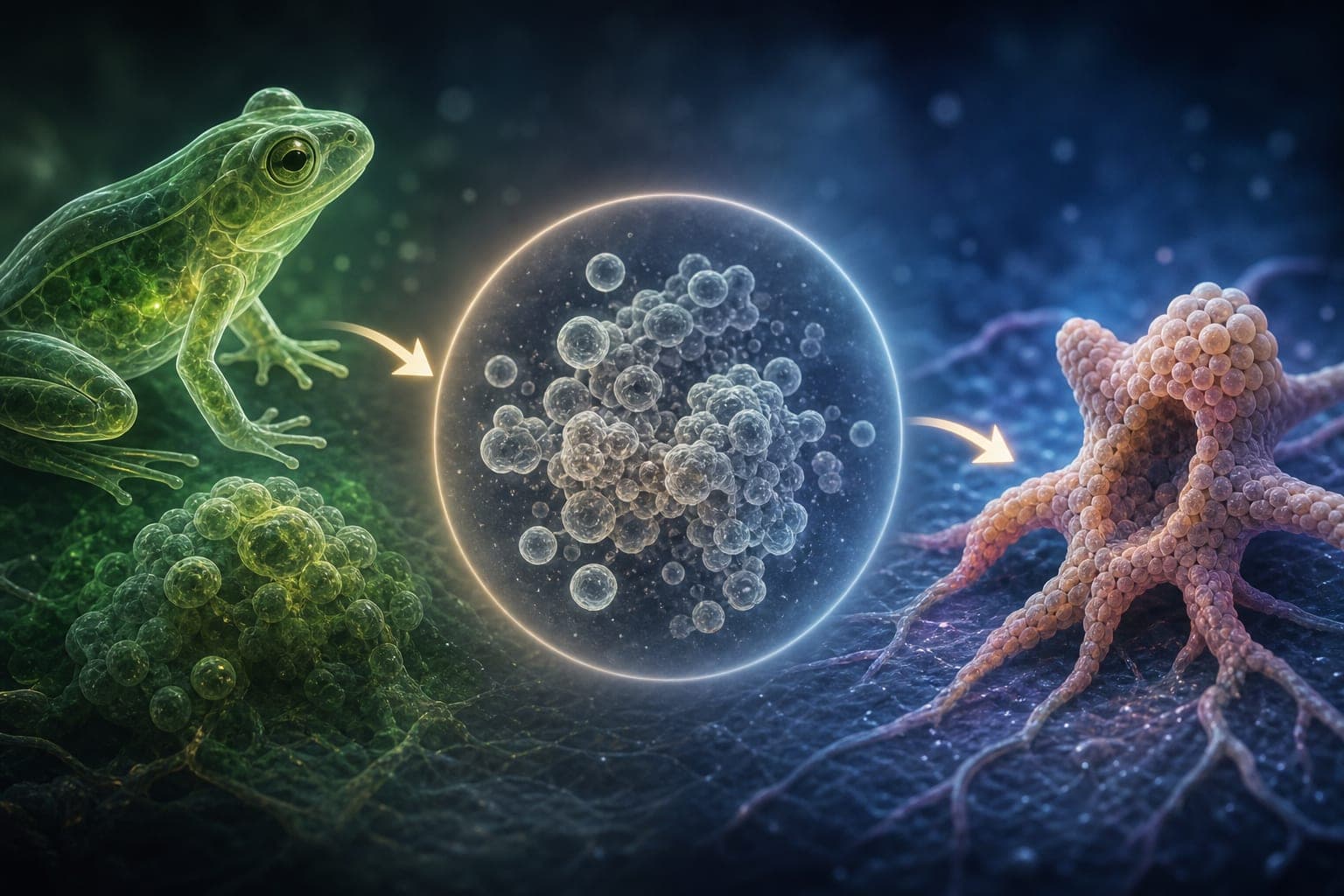
Fungi such as Mortierella and Fusarium secrete ice-making proteins into the surrounding soil. These proteins are water-soluble, hardy, and remarkably effective at triggering ice formation. They can dry into dust and be swept into the sky by wind. Even in relatively warm clouds above minus five degrees Celsius, these proteins force water to crystallize. Researchers discovered that these fungi had acquired this ability from bacteria through horizontal gene transfer.
This discovery could fundamentally alter how researchers approach environmental conservation. If forests are cleared, the biological engine that triggers regional rainfall may be destroyed. Scientists suggest that these biodegradable proteins could one day be used for cloud seeding. Had this connection between soil health and precipitation been understood earlier, conservation strategies might have been different. Protecting soil ecosystems is now recognized as vital for maintaining atmospheric cycles.