
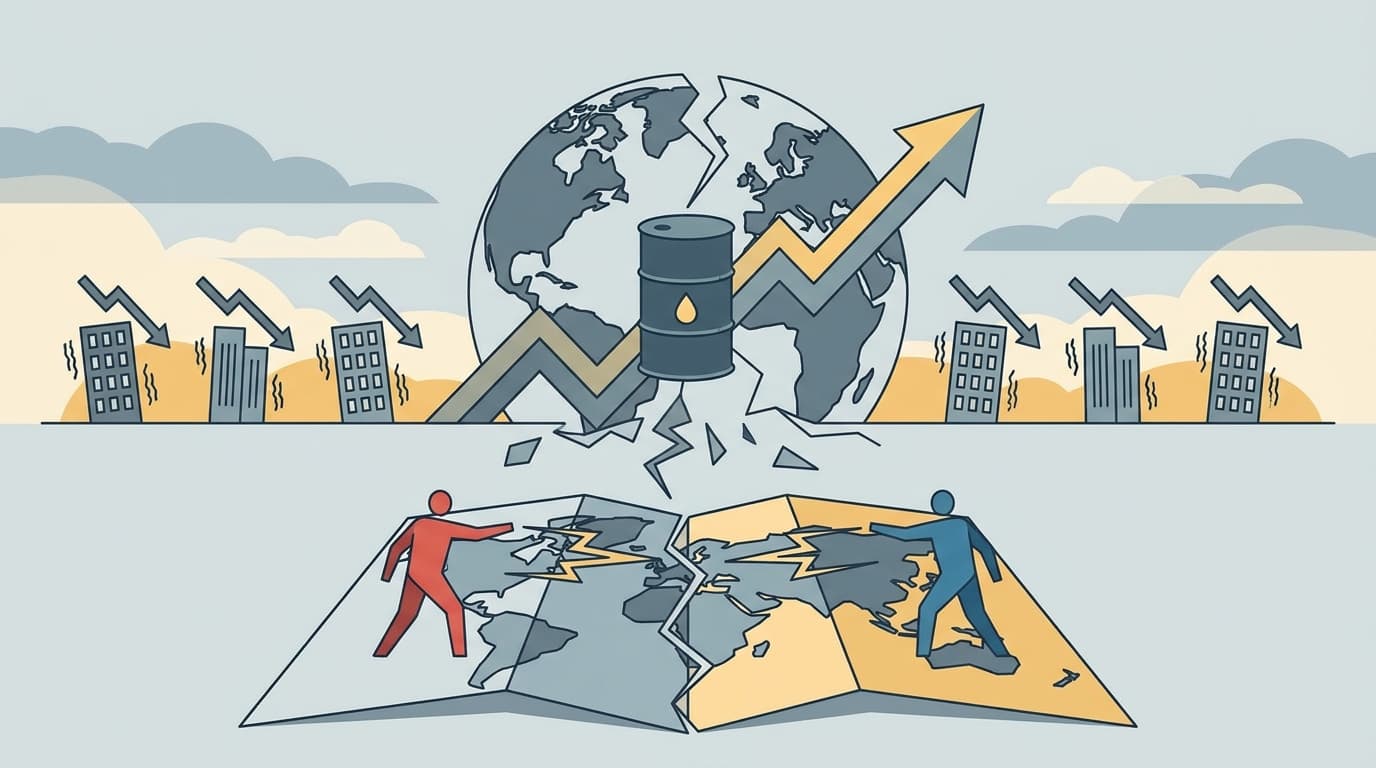
Global financial markets have been rattled by a dramatic surge in oil prices. Brent crude oil rose by 5% to $95.60 a barrel on Monday. This rebound followed a 9% drop on Friday, when the Strait of Hormuz had briefly reopened. Optimism regarding a US-Iran ceasefire has now vanished from markets entirely. Investors had hoped that diplomatic negotiations would ease tensions, but those hopes were shattered.
The Strait of Hormuz experienced a chaotic weekend of blockade reversals and military confrontation. Iran had agreed to reopen the strait after a 50-day closure on Friday. However, Tehran reimposed the blockade on Saturday, blaming Washington for maintaining sanctions on Iranian ports. In retaliation, the US seized an Iranian-flagged cargo ship attempting to pass through. President Trump stated on social media that authorities were inspecting the vessel's contents.
The ripple effects of this escalation have spread well beyond energy markets. UK month-ahead gas prices surged over 6% to 103 pence per therm. This level remains below last month's peak of 180 pence but exceeds pre-conflict levels. UK advertising group M+C Saatchi reported a 7.3% drop in net revenues. The company cited tariffs, the US government shutdown, and broader macroeconomic headwinds as key factors.
Despite the prevailing risk-off sentiment, some analysts maintain cautious optimism about a resolution. Mohit Kumar of investment bank Jefferies acknowledged the severity of current market conditions. Nevertheless, diplomatic channels between the two nations have not been permanently severed. Iranian state media reported that Tehran currently has no plans for new talks. Had both sides reached an agreement earlier, markets could have avoided this period of volatility.