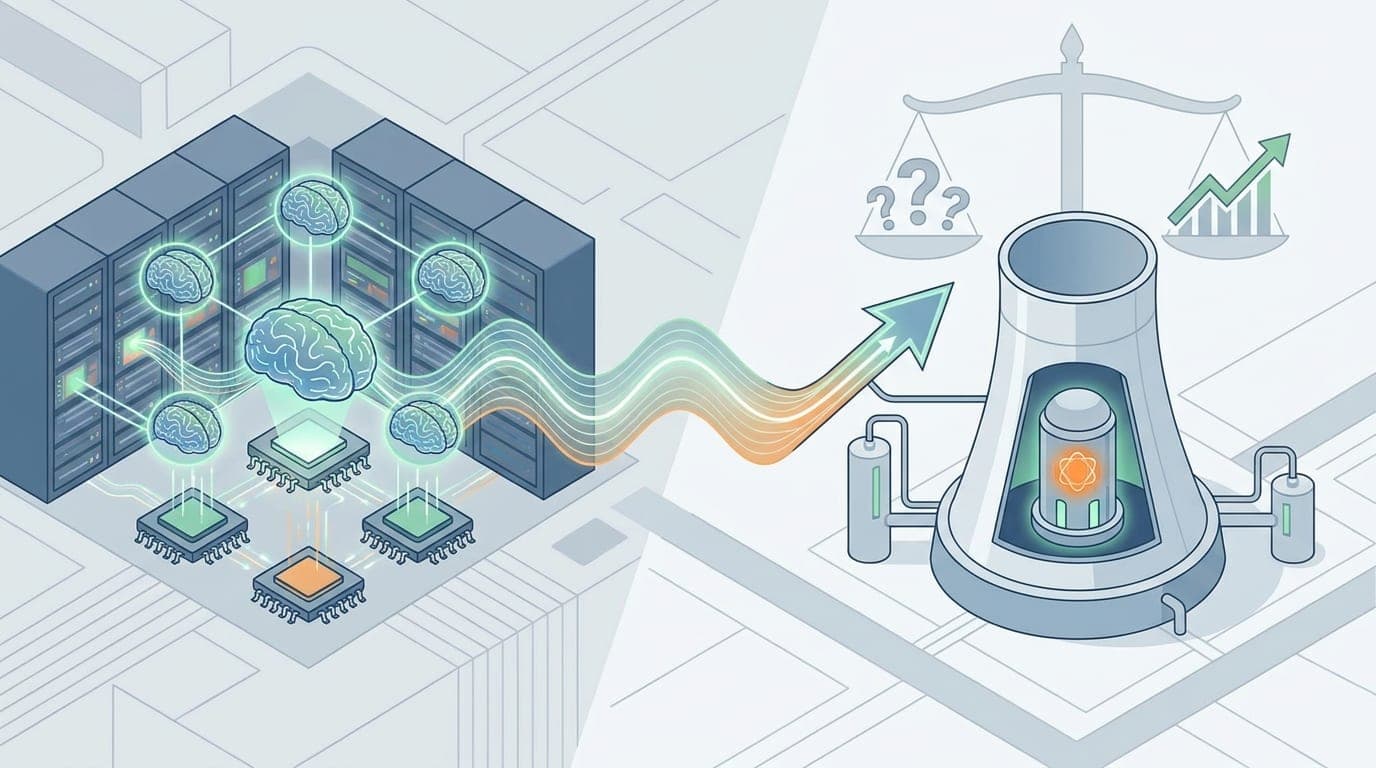
Seldom has the intersection of technology and energy policy generated such fervent investor enthusiasm. Nuclear energy stocks, particularly those of advanced reactor developers, have surged remarkably in recent months. Oklo, a California-based nuclear fission company, has seen its share price climb approximately 125 percent. This unprecedented rally is being driven by the insatiable electricity demands of artificial intelligence data centres.
The proliferation of AI-powered data centres has fundamentally altered the calculus of global energy demand. U.S. data centre electricity consumption is projected to reach 35 gigawatts by 2030, nearly doubling from 19 gigawatts in 2023. McKinsey estimates that global AI data centre infrastructure spending could reach seven trillion dollars by 2030. Existing power suppliers, however, cannot meet this escalating demand, creating a substantial gap that nuclear proponents seek to fill.
Oklo's business model is predicated on deploying small modular reactors targeting the 15 to 100 megawatt range. These compact units are designed for individual data centre campuses, military installations, and remote industrial facilities. In January 2026, Oklo and Meta announced an agreement to develop a 1.2 gigawatt nuclear campus in Ohio. This deal positions Meta as one of the most significant corporate purchasers of nuclear energy in American history.
Nevertheless, considerable scepticism persists regarding the economic viability of this nascent technology. Oklo remains a pre-revenue company, reporting a net loss of approximately 41.4 million dollars in its latest quarter. Traditional nuclear reactors generate over 1,000 megawatts and cost between ten and twenty billion dollars to construct. Furthermore, battery storage costs are declining at 15 to 20 percent annually, potentially undermining the economic rationale for microreactors.
The broader policy landscape, however, appears increasingly favourable for nuclear development. U.S. policy aims to expand nuclear capacity from roughly 100 gigawatts to 400 gigawatts by 2050. Participants at the COP28 conference agreed to triple global nuclear capacity within the same timeframe. Whether this confluence of corporate demand, government backing, and technological innovation constitutes a genuine renaissance remains to be seen.