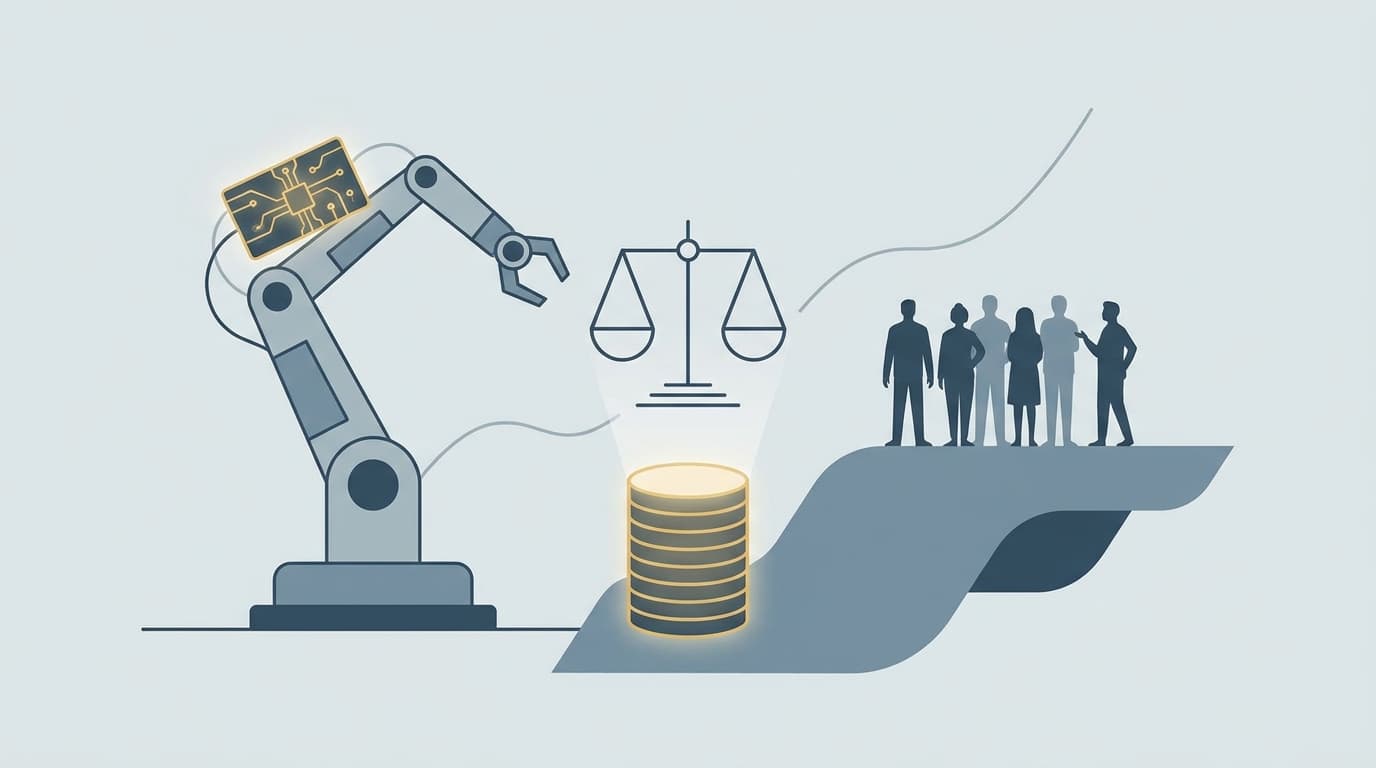
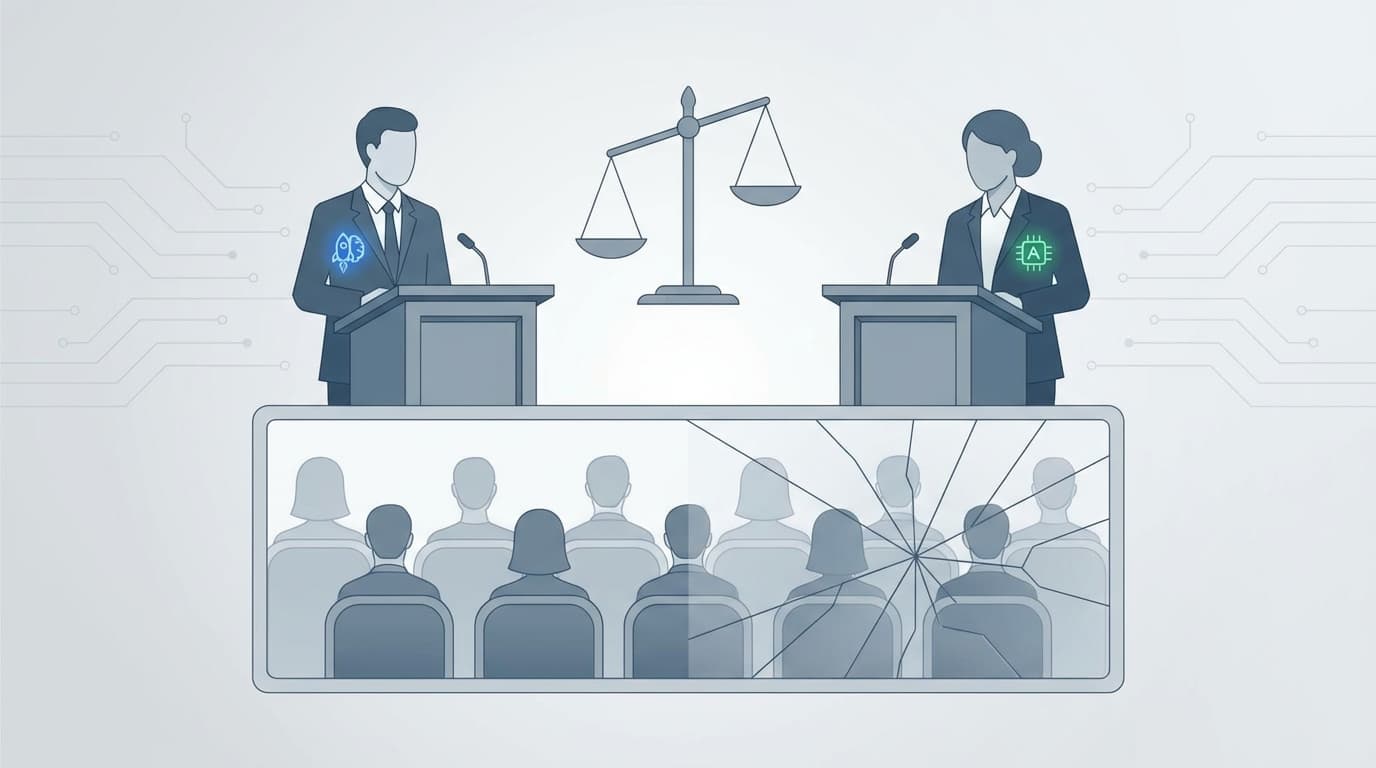
The courtroom battle between Elon Musk and Sam Altman has officially commenced. This landmark trial centers on alleged broken promises made at OpenAI. During jury selection, prospective jurors expressed overwhelmingly negative views about Musk. Some called him greedy, while others used far harsher language. The process highlighted unprecedented challenges in selecting an impartial jury.
Musk's legal team had attempted to remove biased individuals from the jury pool. They argued that jurors who openly disliked Musk could not render a fair verdict. However, presiding Judge Yvonne Gonzalez Rogers denied these requests. She stated that personal dislike does not strip Americans of judicial integrity. Ultimately, a nine-person jury was seated to hear the case.
This case presents a unique modern legal dilemma for the technology sector. Selecting unbiased jurors becomes extremely difficult when a plaintiff is globally recognized. Public anxiety surrounding artificial intelligence has further complicated the proceedings. Several seated jurors admitted to harboring negative opinions about both Musk and AI. Nevertheless, each juror swore to judge the case solely on evidence presented.
The trial's outcome could have significant implications for the AI industry. Had Musk's team succeeded in dismissing all critical jurors, the process might have stalled. Industry analysts are closely monitoring how this legal dispute could reshape AI governance. The ruling on jury impartiality may also set a precedent for future high-profile cases. Stakeholders across the technology sector are watching this trial with considerable interest.