
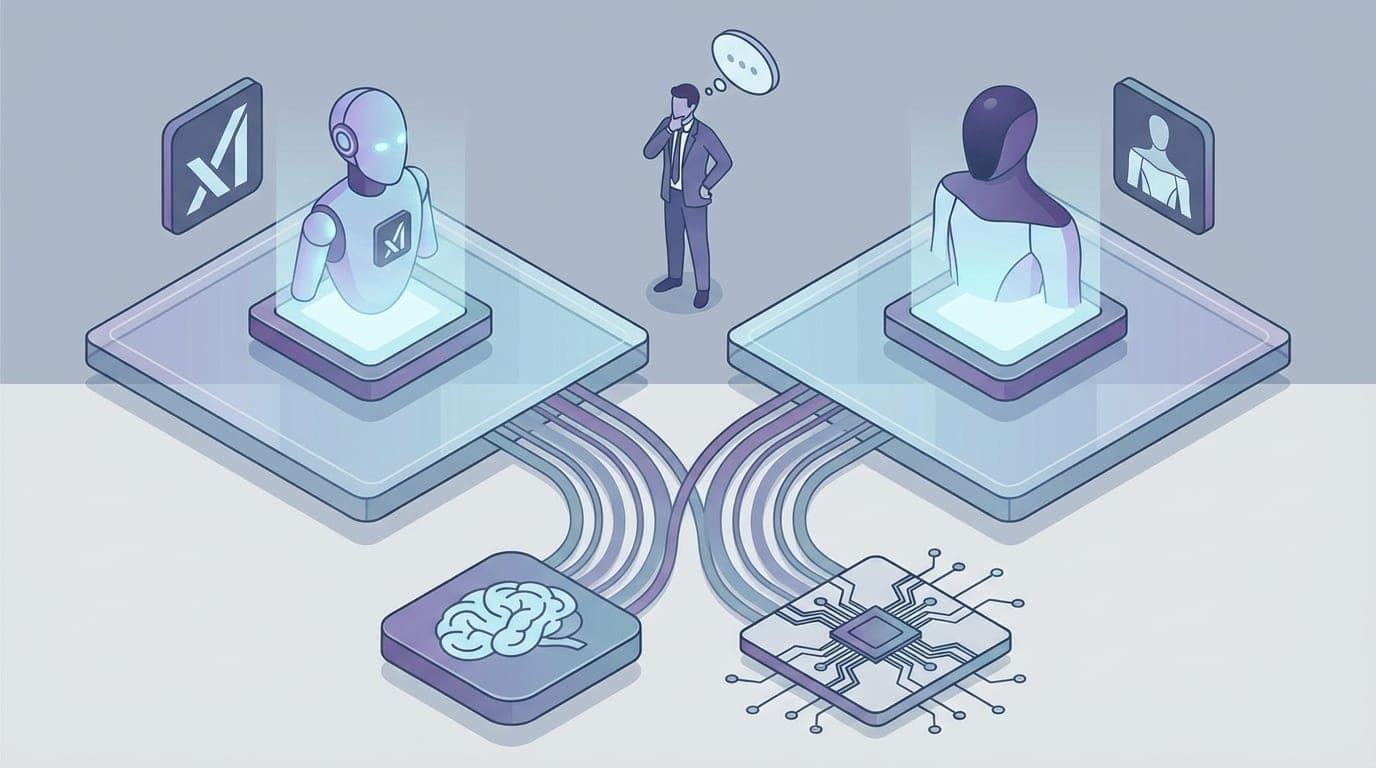
Seldom has a single entrepreneur's corporate empire faced such conspicuous internal competition over artificial intelligence. Elon Musk's AI startup, xAI, has reportedly stalled its ambitious Macrohard project. Simultaneously, Tesla is accelerating development of a parallel initiative called Digital Optimus. This convergence of rival projects within one individual's portfolio raises profound questions about corporate strategy.
The Macrohard project was originally conceived as an AI system capable of emulating entire software companies. xAI filed a trademark application for the name in August 2025. However, the initiative has encountered substantial setbacks, including the departure of co-founder Toby Pohlen after just sixteen days. More than twenty engineers have reportedly left the project or transferred to other departments in recent months.
Tesla's Digital Optimus represents a technically distinct approach to the same objective. The system pairs xAI's Grok language model with a Tesla-developed AI agent that processes real-time screen activity. Unlike Macrohard's screenshot-based methodology, Digital Optimus mirrors Tesla's Full Self-Driving architecture, handling continuous data streams. Musk has described this dual-process design as analogous to the instinctive and analytical functions of the human mind.
The strategic entanglement of Musk's companies has intensified considerably. Tesla invested approximately two billion dollars in xAI in January 2026. SpaceX subsequently acquired xAI in an all-stock transaction valuing the combined entity at over one trillion dollars. These corporate manoeuvres have further blurred the boundaries between ostensibly independent organisations. A shareholder lawsuit alleges that Musk diverted Tesla's AI talent and resources to xAI for personal benefit.
The broader implications of this case extend well beyond any single corporation. The proliferation of agentic AI systems designed to automate white-collar work poses unprecedented ethical challenges. Competitors such as Anthropic have already launched similar autonomous tools, unsettling software investors globally. Whether concentrated corporate power can responsibly steward such transformative technology remains a pivotal question for policymakers and society alike.