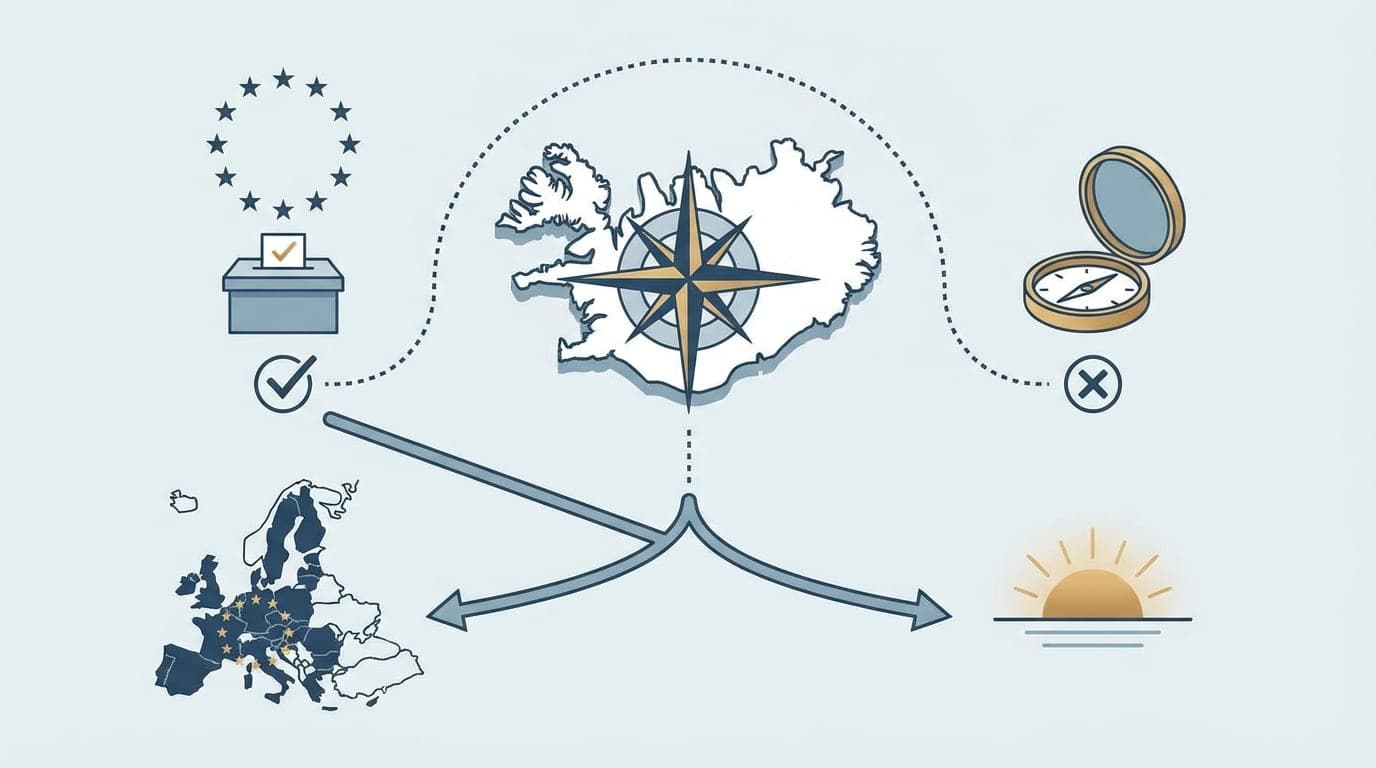
Seldom has a small nation's political announcement carried such profound implications for European integration. Iceland's Prime Minister, Kristrún Frostadóttir, has declared that a referendum will be held within months. The vote will determine whether Iceland should open formal accession negotiations with the European Union. Previously anticipated for early 2027, the timeline has been brought forward considerably. This acceleration signals a notable shift in Iceland's traditionally cautious stance toward EU membership.
The announcement was made at a press conference in Warsaw alongside Polish Prime Minister Donald Tusk. Frostadóttir confirmed that a formal proposal would be drafted in early spring. Once parliament approves the proposal, a nine-month window will commence for organizing the referendum. The Prime Minister emphasized that Iceland is moving forward decisively on this matter. Her remarks suggest that the government perceives a favorable political climate for such a consequential decision.
Public opinion data from 2025 reveals a narrow but discernible preference for EU membership among Icelandic citizens. A Prósent survey indicated that 45 percent support accession while 35 percent oppose it. Similarly, a Gallup poll found 44 percent in favor and 36 percent against joining the bloc. These figures suggest that while support exists, a substantial proportion of the electorate remains either undecided or skeptical. The outcome of the referendum is therefore far from predetermined.
What distinguishes this debate from previous discussions is the emphasis on preserving Icelandic cultural identity within a broader European framework. Frostadóttir has articulated the necessity of maintaining respect for Iceland's distinct Arctic identity throughout any negotiations. This concern reflects a longstanding apprehension that integration into larger political entities may erode national sovereignty. Not only economic considerations but also cultural preservation will shape the forthcoming discourse. Such nuanced positioning illustrates the complexity inherent in small-state diplomacy.
The referendum unfolds against a backdrop of considerable geopolitical turbulence across Europe. Tensions between Hungary and Ukraine have escalated, while defense cooperation between the United Kingdom and Ukraine has deepened. Were Iceland to commence accession talks, it would join a union navigating unprecedented security challenges. The decision carries implications extending well beyond Iceland's borders, potentially reinforcing European cohesion during a period of instability. Ultimately, the referendum represents a pivotal moment in Iceland's contemporary political history.