
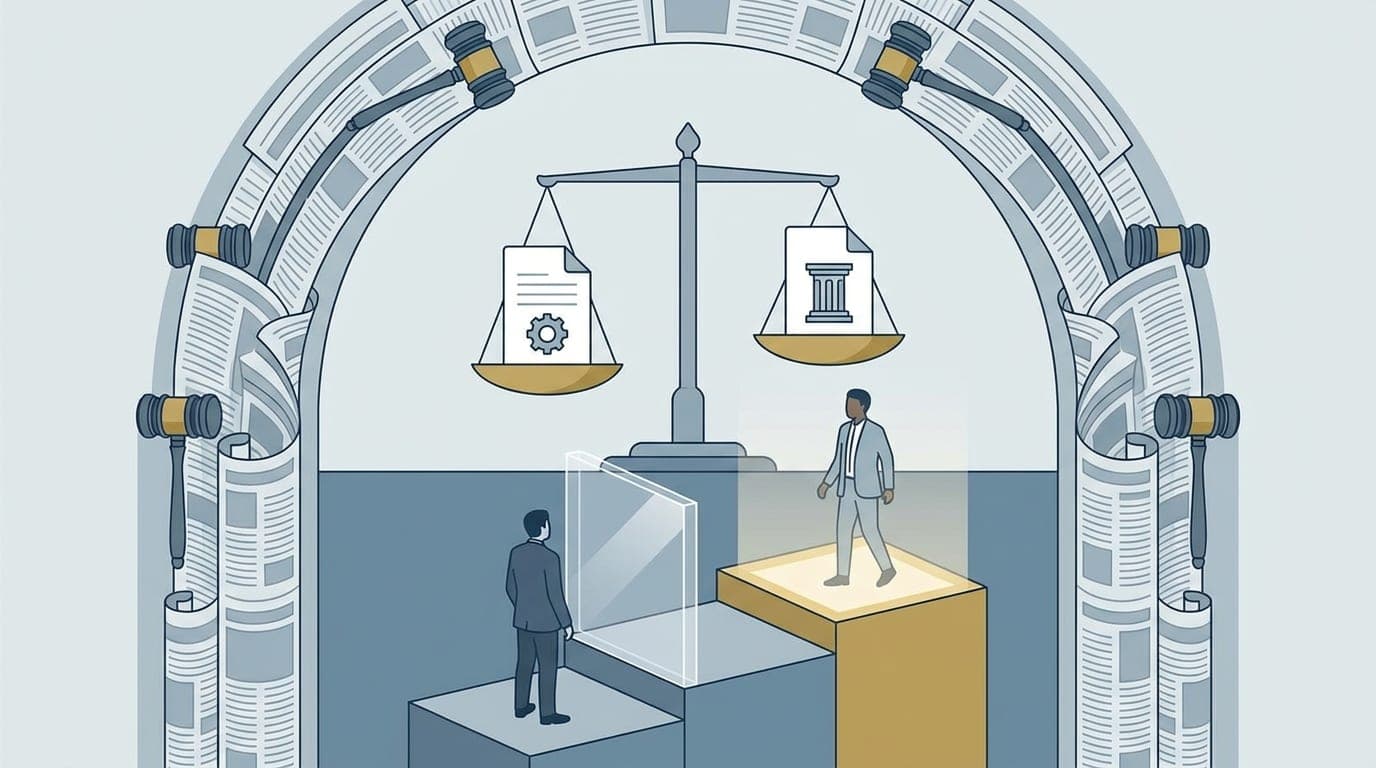
Seldom has a federal employment lawsuit attracted such immediate public scrutiny. The U.S. Equal Employment Opportunity Commission filed suit against The New York Times on May 5, 2026. The agency alleges the newspaper violated Title VII of the Civil Rights Act of 1964. Specifically, it claims the company denied a promotion to a White male editor because of his race and sex. The case has ignited a contentious national debate over workplace diversity policies.
According to the EEOC, the unnamed complainant has worked as an editor at the newspaper since 2014. He served as a senior staff editor on the international desk with extensive real estate journalism experience. The employee applied for the position of Deputy Real Estate Editor in early 2025. However, none of the candidates who advanced to the final interview round were White males. The position was ultimately awarded to an external candidate described as a non-White female.
The EEOC's complaint further alleges that the selected candidate had little to no experience in real estate journalism. Moreover, the agency claims that the company's own interview panel rated her less favorably than two other finalists. The lawsuit extensively cites the newspaper's 2021 "Call to Action" plan as evidence. That plan established goals to increase non-White and female representation in leadership positions. By 2024, White employees reportedly composed 68 percent of the company's leadership.
The New York Times has categorically rejected the allegations, calling them politically motivated. A spokesperson stated that the company's employment practices are merit-based and focused on recruiting top talent. The sole Democratic commissioner on the EEOC, Kalpana Kotagal, voted against authorizing the lawsuit. She expressed concern that the litigation was driven by political agenda rather than genuine legal merit.
This case exemplifies the growing tension between corporate diversity initiatives and federal anti-discrimination statutes. EEOC Chair Andrea Lucas has championed what she terms colorblind enforcement of civil rights law. Critics, however, argue that such litigation could have a chilling effect on legitimate efforts to diversify workplaces. Regardless of its outcome, this lawsuit will likely shape how employers across America navigate their diversity commitments.