
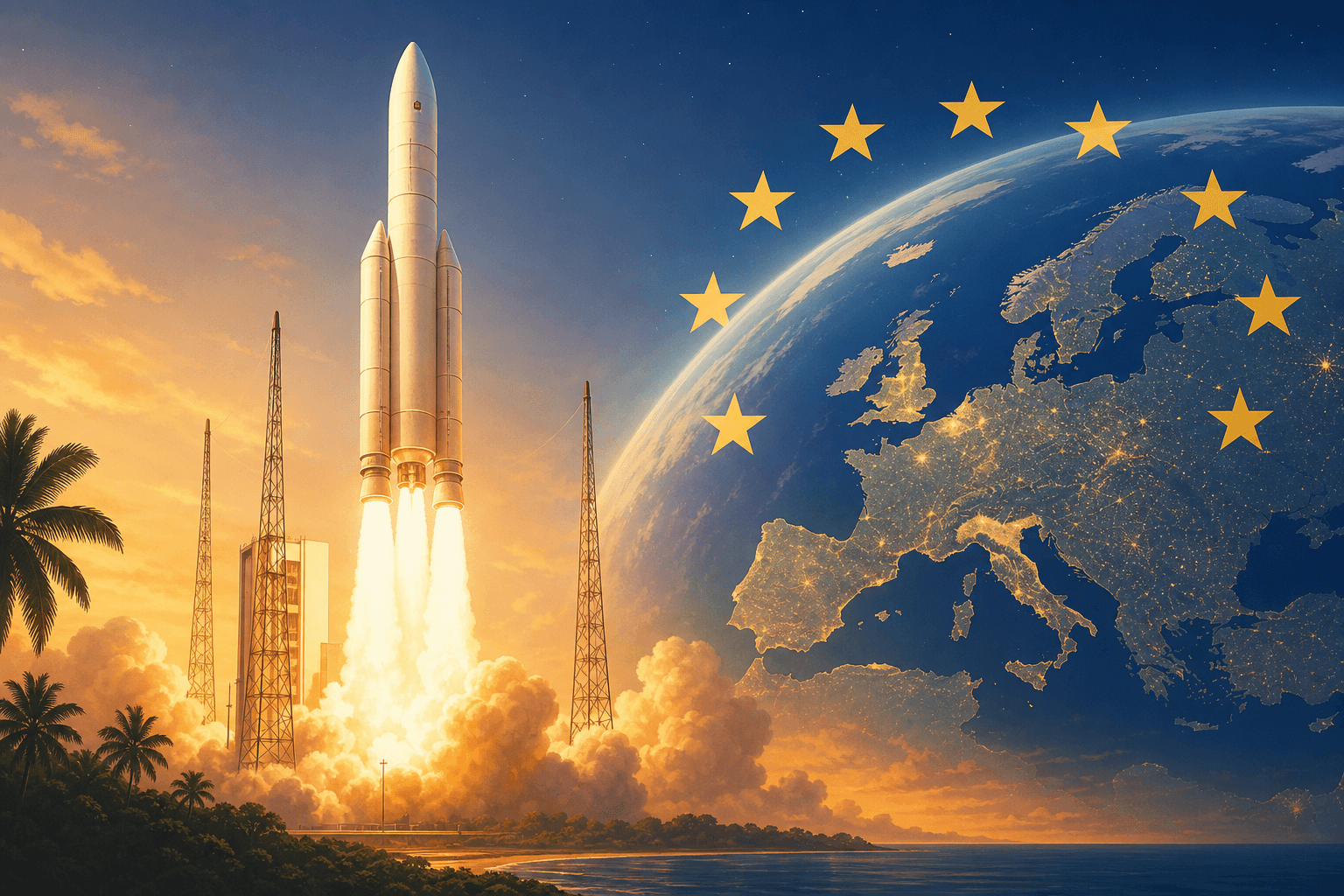
On July 9, 2024, Europe's newest rocket, Ariane 6, soared into space for the first time. The inaugural flight launched from Europe's Spaceport in French Guiana. Had the mission failed, Europe would have faced even deeper uncertainty about its space future. Fortunately, the rocket performed well, reaching orbit without major problems. This achievement was celebrated as a historic moment for European space exploration.
Ariane 6 is a versatile rocket that can be adapted for different missions. It comes in two versions, one with two boosters and another with four. The four-booster version can carry approximately 21.6 tonnes into low Earth orbit. The rocket's upper stage engine can be reignited multiple times during a single flight. This flexibility allows it to place satellites into different orbits efficiently.
The launch was especially significant because Europe had been facing a serious crisis. The predecessor, Ariane 5, had been retired in July 2023 after 27 years of service. Meanwhile, Russian Soyuz rockets were no longer available due to tensions over Ukraine. If Ariane 6 had not been developed, Europe would have remained dependent on foreign rockets. ESA's Director General called this period an acute launcher crisis.
Looking ahead, Ariane 6 is expected to restore Europe's autonomous access to space. Companies from 13 European countries have contributed to the rocket's development. The project demonstrates what multinational cooperation can accomplish in advanced technology. By 2026, several successful flights had already been completed, including commercial missions. Europe now has a powerful and competitive tool for its growing space ambitions.