
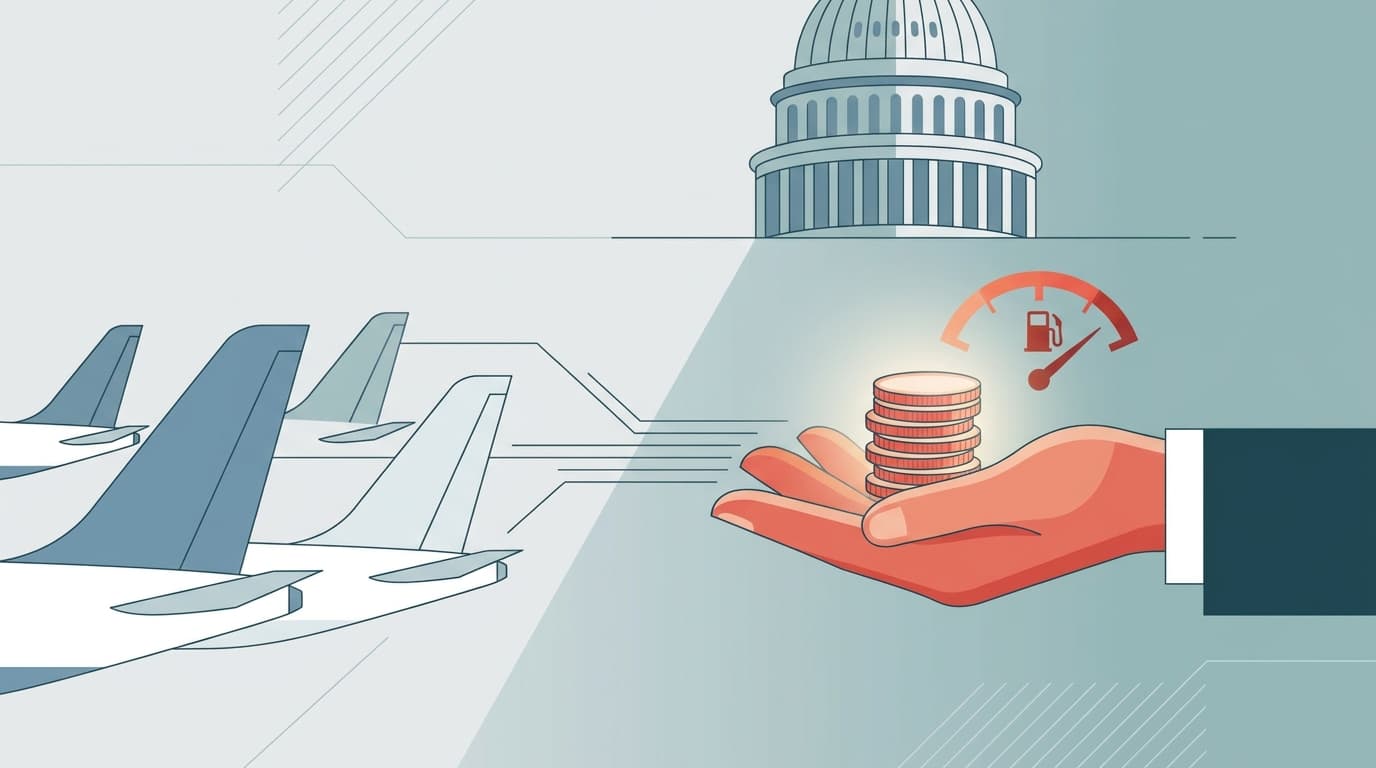
Seldom has the ultra-low-cost carrier sector faced such an existential threat. A coalition of U.S. budget airlines is seeking $2.5 billion in federal assistance to offset soaring jet fuel costs. The Association of Value Airlines, representing carriers including Frontier and Avelo, is spearheading these negotiations. Their executives met with Transportation Secretary Sean Duffy and FAA chief Bryan Bedford on April 21. The discussions underscore the precarious financial position of an entire segment of the aviation industry.
The proposed bailout figure was derived from projections of incremental fuel expenditures for the remainder of 2026. It assumes jet fuel prices will stay above four dollars per gallon throughout the year. According to Argus Media data, the average price of jet fuel recently stood at $4.19 per gallon. Before the conflict in Iran drove prices upward, fuel averaged less than $2.50 per gallon. This near-doubling of costs has fundamentally undermined the unit economics of budget carriers.
Under the proposed terms, participating airlines would issue warrants convertible into equity stakes to the federal government. Such an arrangement would be unprecedented in its scope, potentially transforming the sector's ownership structure. During the COVID-19 pandemic, the Treasury disbursed roughly $54 billion in airline aid and received warrants in return. However, the government ultimately recovered only about $557 million when it auctioned those warrants. Critics argue that this track record hardly inspires confidence in a new round of subsidies.
Complicating matters further is a separate negotiation involving Spirit Airlines. The beleaguered carrier is pursuing a $500 million emergency package to stave off liquidation. President Trump has publicly expressed interest in the government purchasing Spirit outright. Meanwhile, budget carriers operate on thinner margins than legacy airlines and lack sophisticated hedging infrastructure. Unlike Delta and United, which remain profitable, these smaller operators cannot absorb prolonged cost increases.
The ramifications of this bailout request extend well beyond the aviation sector. Should the government acquire equity in multiple airlines, it would set a consequential precedent for state intervention in private enterprise. If federal aid is withheld, industry analysts anticipate accelerated consolidation and further bankruptcies among low-cost carriers. Either outcome will reshape the competitive landscape of American air travel for years to come. For consumers who depend on affordable fares, the stakes could not be higher.