
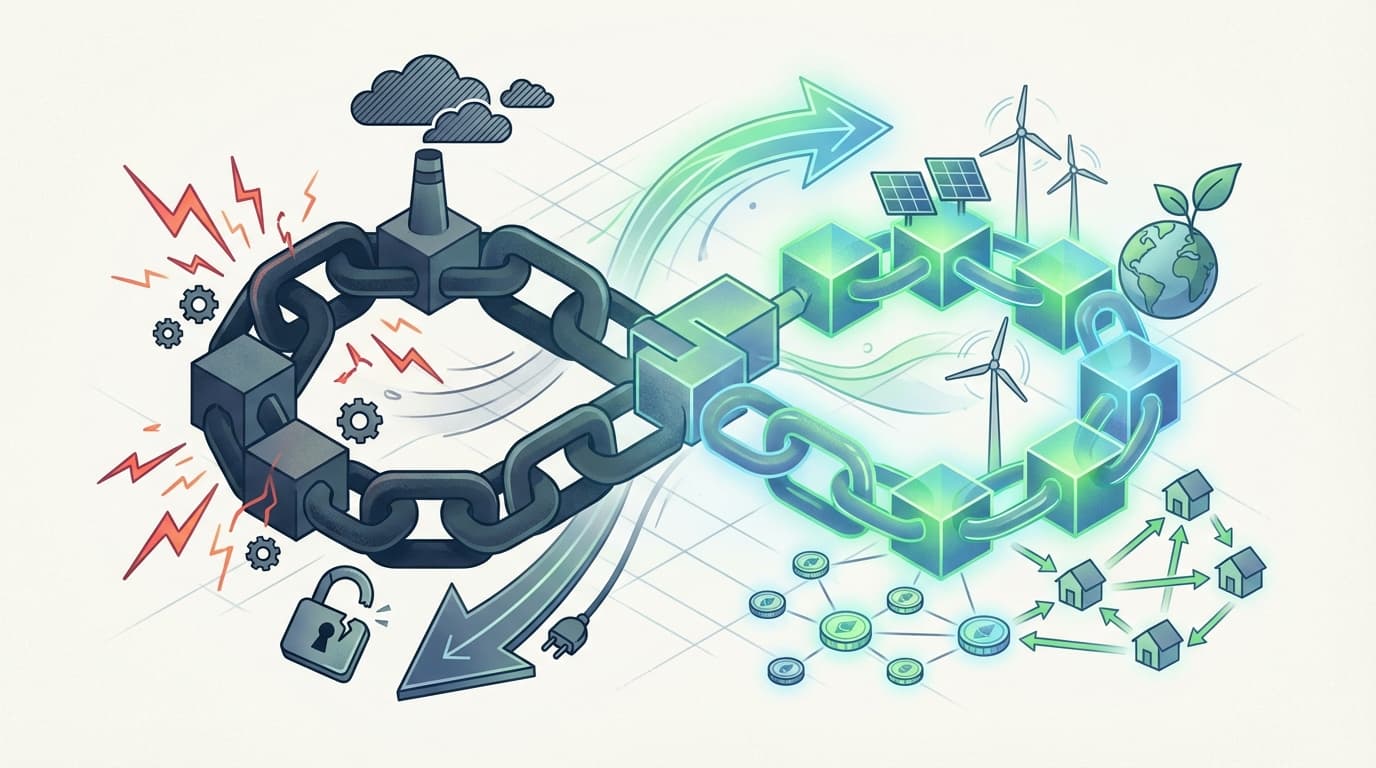
Seldom has a technology been so paradoxically positioned in the climate debate as blockchain. Once denounced for its enormous energy demands, this decentralized digital ledger is now being reconsidered as a formidable instrument for environmental sustainability. The European Commission has recognized blockchain's capacity to improve transparency and accountability in tracking greenhouse gas emissions. Experts increasingly argue that conflating blockchain with Bitcoin's energy consumption constitutes a fundamental misunderstanding of the technology's diverse architecture.
At the heart of this transformation lies the shift from proof-of-work to proof-of-stake consensus mechanisms. Ethereum, the world's largest smart contract platform, completed this transition in September 2022. According to the Crypto Carbon Ratings Institute, the move reduced Ethereum's energy consumption by over 99.99 percent. Its annual electricity usage plummeted from nearly 23 million megawatt-hours to just over 2,600.
Beyond energy efficiency, blockchain is proving indispensable in carbon credit markets. Traditional carbon trading systems have long been plagued by fraud, double counting, and insufficient transparency. Blockchain's immutable ledger provides a tamper-proof system for recording and verifying each carbon credit transaction. Platforms such as KlimaDAO and the Toucan Protocol now tokenize carbon credits, creating verifiable digital records that enhance market integrity.
The applications extend further into renewable energy and supply chain management. Blockchain facilitates peer-to-peer energy trading, enabling households to sell surplus solar power directly without intermediaries. Companies like Norsk Hydro already use blockchain to produce sustainable aluminum certifications that meticulously track emissions data. An analysis revealed that over 60 percent of new carbon credit platforms have adopted blockchain technology.
Nevertheless, significant challenges persist in realizing blockchain's full environmental potential. Scalability constraints, regulatory fragmentation across jurisdictions, and lingering skepticism about the technology's ecological credentials remain formidable barriers. What distinguishes the current moment, however, is the convergence of institutional support and technological innovation. Should policymakers and developers collaborate effectively, blockchain may yet prove to be an indispensable ally in the pursuit of global decarbonization.