
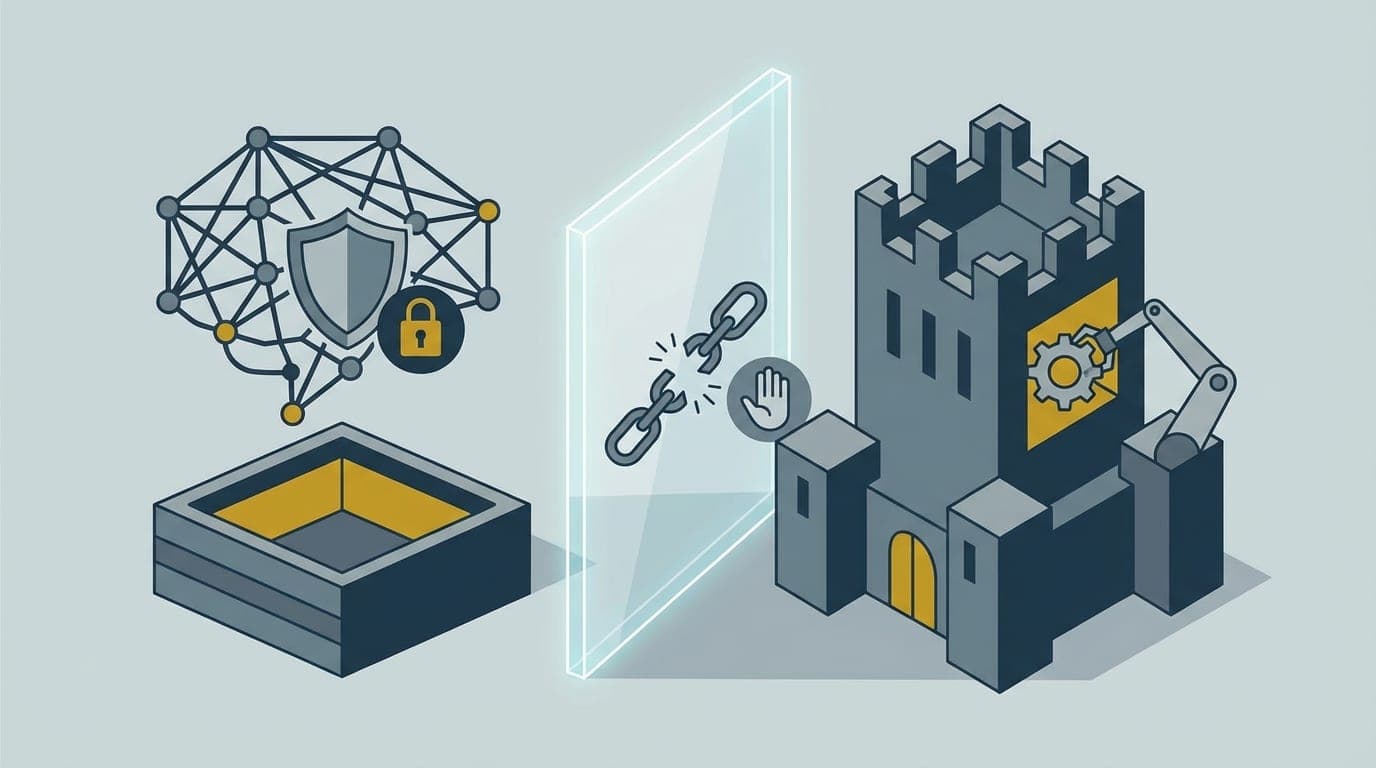
Seldom has a technology dispute so vividly exposed the tension between corporate ethics and national security imperatives. Anthropic, the artificial intelligence company behind the widely used Claude model, has formally rejected the Pentagon's demands. The company refuses to remove safeguards preventing its technology from being deployed in mass surveillance or fully autonomous weapons. CEO Dario Amodei declared that his company could not, in good conscience, accede to the government's request.
The confrontation escalated rapidly after Defence Secretary Pete Hegseth issued an ultimatum during a meeting on Tuesday. Anthropic was given until Friday evening to permit unrestricted military use of Claude or face severe repercussions. These consequences include cancellation of a $200 million contract and designation as a supply chain risk. Such a designation, typically reserved for foreign adversaries, could deter existing enterprise clients from maintaining their partnerships with Anthropic.
At the crux of the disagreement lies a fundamental philosophical divergence regarding accountability. The Pentagon insists that determining lawful use is the military's prerogative, not a private corporation's. Conversely, Anthropic maintains that certain applications of AI inherently undermine democratic values, regardless of their legality. Amodei has argued that autonomous weapons eliminate the human capacity to disobey unlawful orders, a cornerstone of constitutional governance.
The broader implications of this standoff extend well beyond a single contract dispute. Competitors including OpenAI, Google, and xAI have already acquiesced to the Pentagon's demand for unrestricted access. Google recently revised its ethical guidelines, dropping its previous pledge against weapons development. This competitive landscape places considerable pressure on Anthropic, whose forthcoming initial public offering could be jeopardised by the fallout.
This unprecedented confrontation compels society to reconsider the governance frameworks surrounding military applications of artificial intelligence. International discussions on autonomous weapons have proceeded slowly, with limited binding agreements to date. Whether Anthropic's principled stance will catalyse meaningful regulatory reform or merely redirect contracts to less scrupulous competitors remains uncertain. What is indisputable, however, is that the ethical boundaries of AI in warfare demand urgent, substantive deliberation.