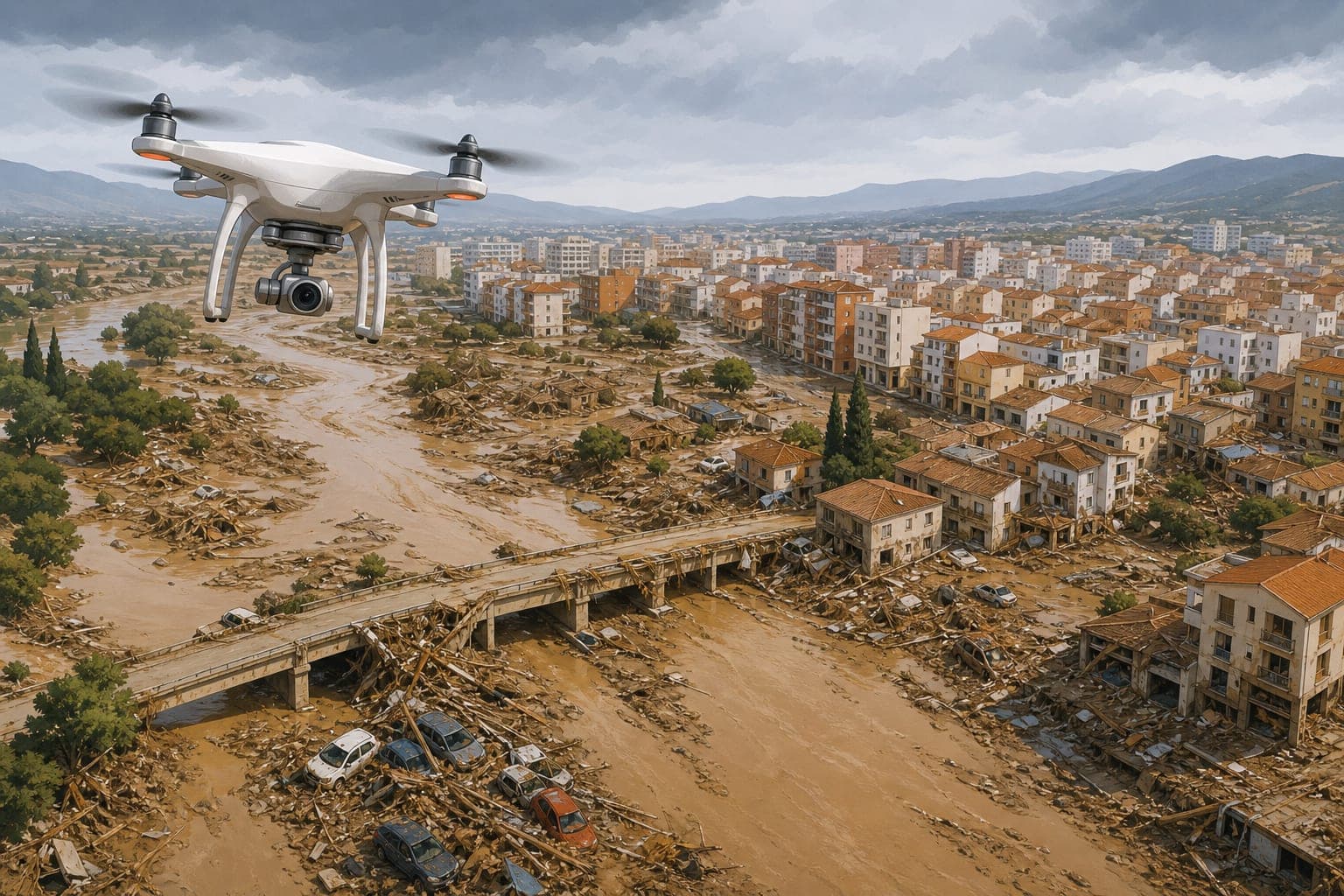
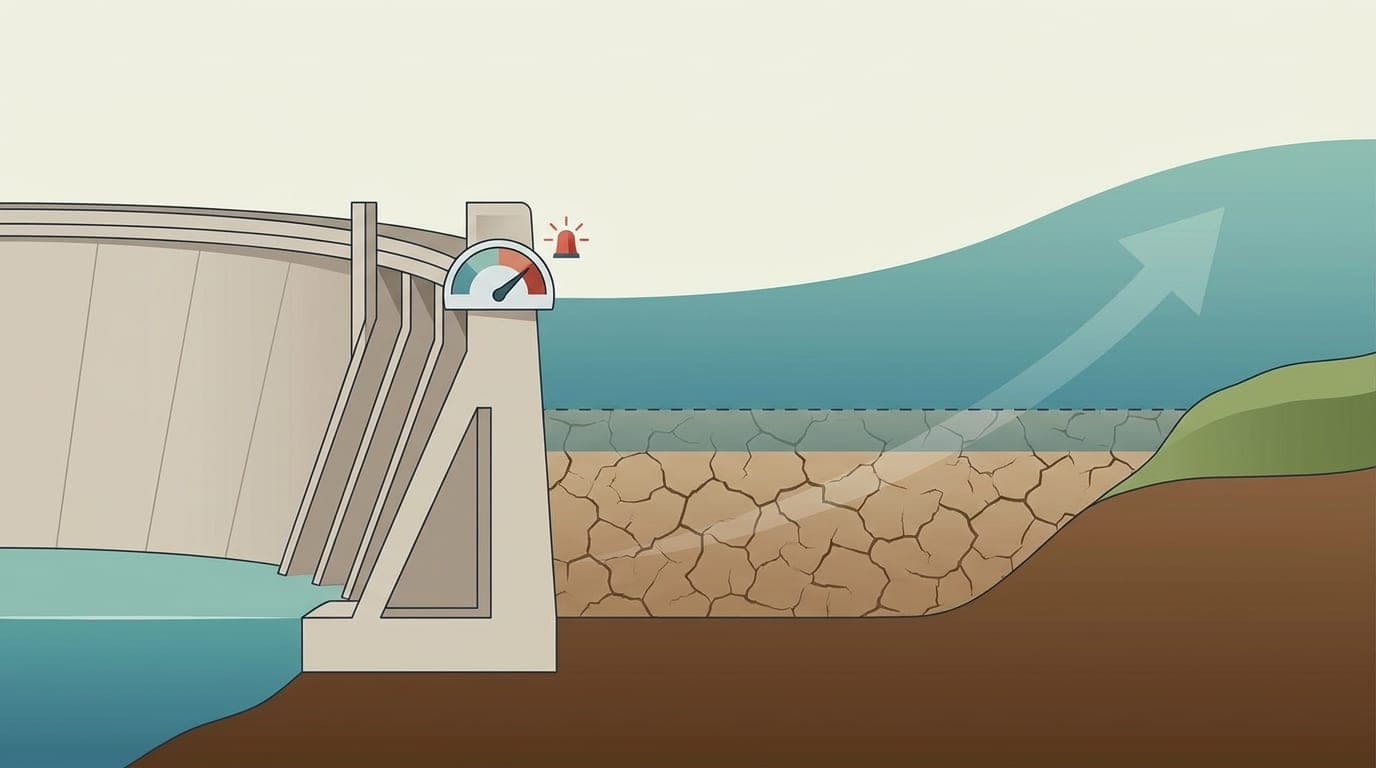
Ankara, the capital of Türkiye, has received welcome news about its water supply. According to official data from ASKİ, the city's water authority, dam occupancy rates have risen significantly. The current level stands at 41.73%, which is a 12.74% increase from last year. This recovery comes after 2025, which was described as the worst drought in fifty years.
The data reveals an encouraging trend in the capital's water reserves. On April 27, 2025, the dams held only 421 million cubic metres of water. By the same date this year, that amount had climbed to 607 million cubic metres. The active usable water nearly doubled, rising from 232 million to 455 million cubic metres. These figures suggest that recent rainfall has been considerably more generous than before.
However, experts caution that the overall situation remains critical despite this improvement. During 2025, dam levels had dropped to dangerously low levels across Türkiye. Some reservoirs fell below 2%, and residents were forced to collect water from public fountains. Climate change was identified as a major factor behind the disrupted rainfall patterns. Officials warned that urban water management must improve to prevent future crises.
The broader implications of this issue extend beyond Ankara alone. If cities invested more in water conservation, future shortages would be less severe. Expanding rainwater collection systems and modernising old infrastructure are among the proposed strategies. Sustainable water use is no longer optional but essential for growing urban populations. The recovery in dam levels offers hope, yet it also serves as a reminder.