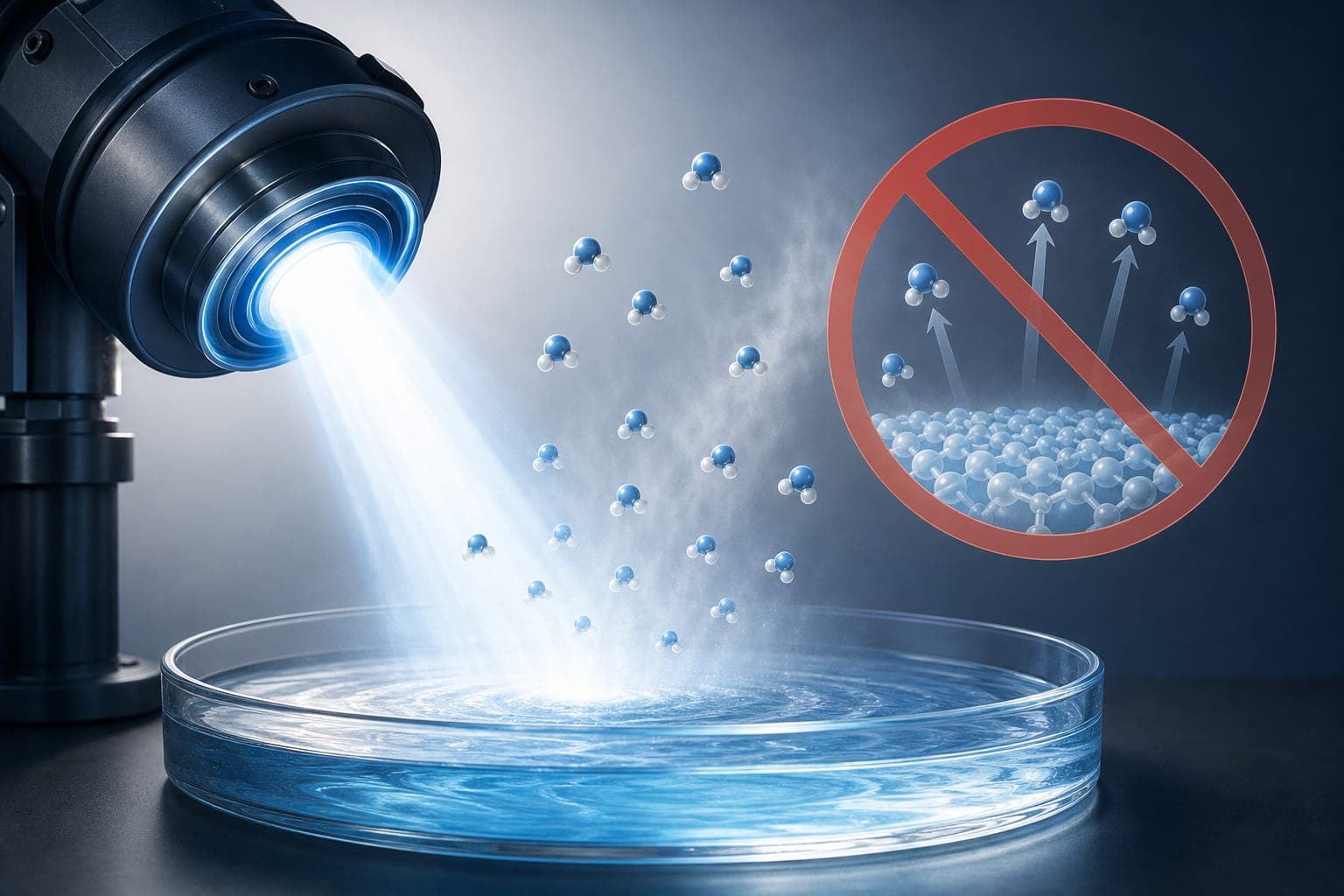
Seldom has an accidental laboratory finding so fundamentally challenged established scientific consensus. An international team of researchers has created gold hydride, a compound previously deemed impossible. This novel substance, composed exclusively of gold and hydrogen atoms, was formed under extreme pressure and heat. The discovery contradicts the widely accepted view that gold is among the most chemically inert metals known to science.
The researchers were not attempting to alter gold's properties. Their original objective was to measure how long hydrocarbons take to form diamonds under immense pressure. They placed hydrocarbon samples with embedded gold foil inside a diamond anvil cell at the European XFEL facility. Gold was deliberately chosen as a passive X-ray absorber precisely because of its renowned unreactivity.
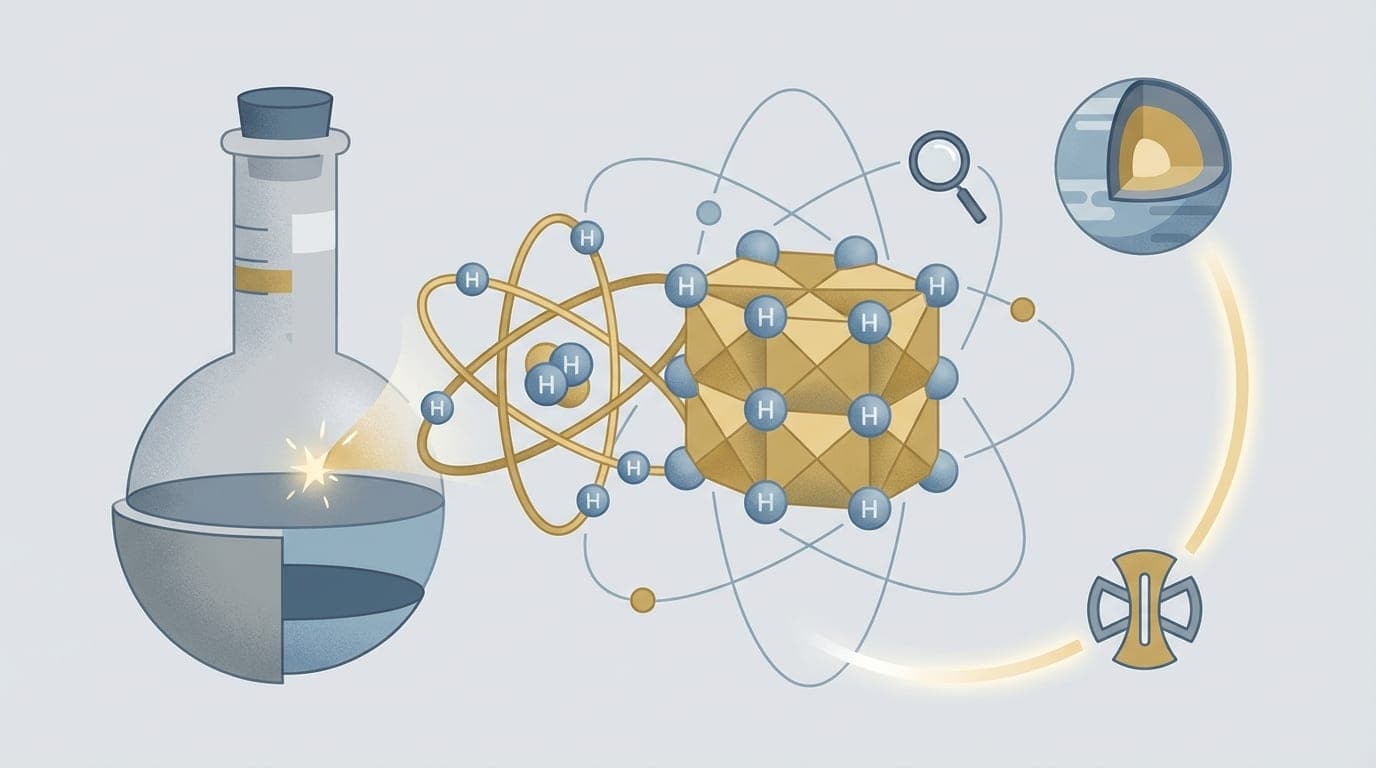
To the team's astonishment, hydrogen atoms from the hydrocarbons entered the gold lattice and formed gold hydride. This occurred at temperatures exceeding 3,500 degrees Fahrenheit and pressures rivalling those of Earth's lower mantle. Under these conditions, the hydrogen became superionic, a state where atoms flow like liquid within a solid framework. Notably, the compound proved reversible, separating back into plain gold and hydrogen when conditions were eased.
The implications of this discovery extend well beyond gold chemistry. Dense superionic hydrogen is believed to exist inside giant planets such as Jupiter, which may possess a metallic hydrogen shell. Understanding how hydrogen behaves under such extreme conditions could help explain how these planets generate their magnetic fields. Furthermore, accurate models of dense hydrogen are vital for fusion researchers seeking to replicate stellar energy processes on Earth.
What distinguishes this finding is its broader significance for high-pressure chemistry as a discipline. Previous research demonstrated that even unreactive noble gases like xenon can form compounds under sufficient pressure. Gold hydride now reinforces the paradigm that extreme conditions can yield entirely unforeseen chemical behaviour. Scientists anticipate that similar hydrides may emerge when other metals are subjected to comparable environments.